A mold problem can quickly kill a traditional real estate deal in Washington. Homeowners often face expensive cleanup bills and strict rules that scare away regular buyers. Getting a fair price for your property should not require months of professional remediation work and thousands of dollars in out-of-pocket cleanup costs before you can even list the home.
The choice to sell house with mold for cash washington helps you skip the costly cleaning and repairs needed for a standard listing. Direct buyers like Peak Real Estate Solutions allow you to sell your house for cash without fixing water damage or fungal growth first. According to the CDC, exposure to indoor mold can cause coughing, wheezing, and skin rashes, making many traditional buyers and lenders avoid these homes entirely. Choosing a cash sale lets you avoid commissions, hidden fees, and the stress of inspections while picking a closing date that fits your needs. This simple process provides certainty and speed for properties valued between $50,000 and $500,000 that traditional markets might reject. Learn more about how selling your house for cash works in our complete Washington guide.
Call (360) 359-6112 to get a no-obligation cash offer for your Washington home, no repairs, no cleaning, no inspections required.
Finding the right solution starts by understanding how mold affects home sales in Washington and how a direct cash sale bypasses the obstacles that stop traditional buyers cold.
Sell House With Mold For Cash Washington: How Does Mold Affect a Home’s Saleability in Washington?
Mold contamination directly reduces a home’s market value, scares away conventional buyers, and triggers strict Washington disclosure laws that make traditional sales difficult. A cash sale to a direct buyer removes these barriers entirely by treating the mold as the buyer’s responsibility, not the seller’s.
Many homes across the U.S. deal with dampness and fungal growth. The EPA estimates that roughly 1 in 3 homes has conditions supporting mold growth. In Washington State, the Pacific Northwest’s wet climate. With annual rainfall exceeding 37 inches in the Seattle metro area and over 100 inches in the Olympic Peninsula, makes this a common concern for home sellers. Most buyers look for a clean, move-in-ready property. When they see dark spots on drywall or smell a musty odor during a showing, they almost always walk away.
Health Risks and Buyer Fear
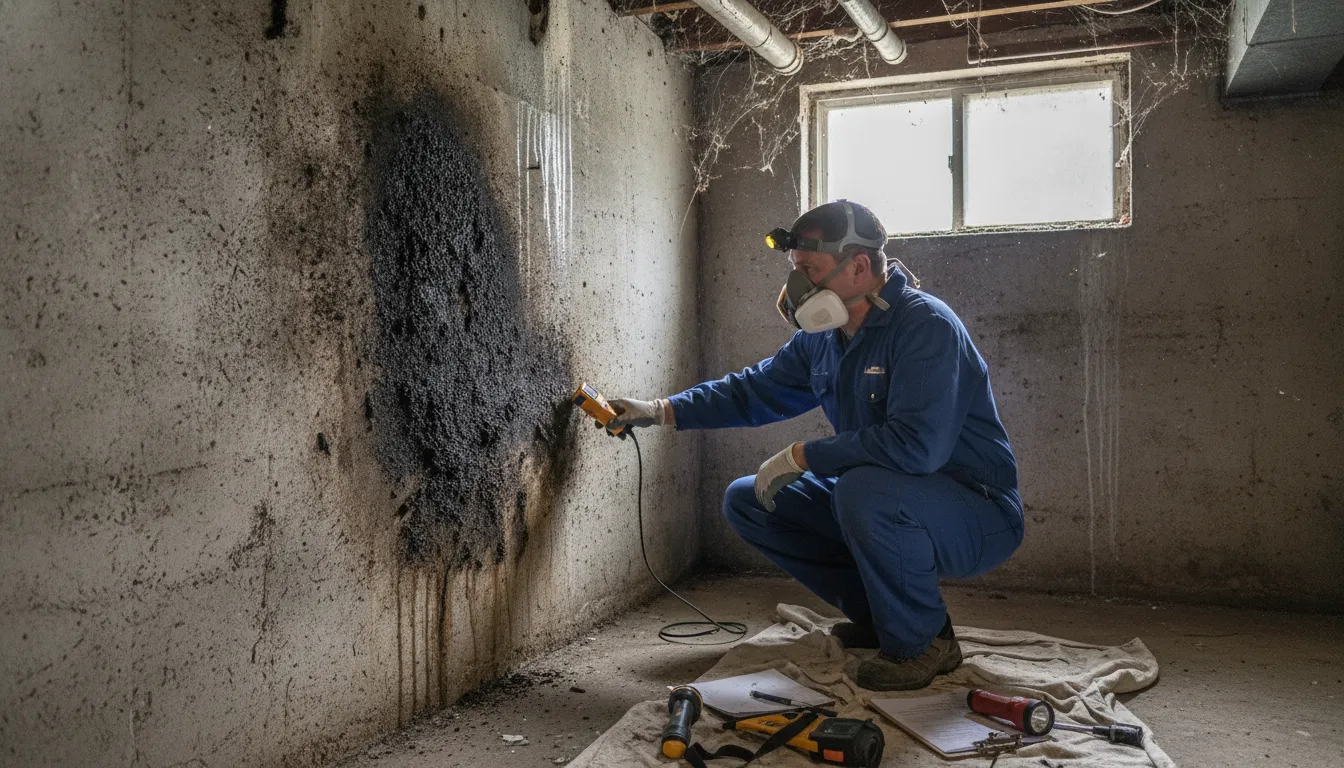
Health concerns top the list of buyer objections. The CDC reports that mold exposure can cause nasal stuffiness, throat irritation, coughing, wheezing, eye irritation, and skin rashes. Individuals with asthma or allergies face more severe reactions. When buyers learn about these risks, they worry about their family’s safety. They often assume the visible mold signals a much larger hidden infestation behind walls or under flooring.
This fear stops deals before they start. Buyers view mold as evidence of neglected maintenance or undisclosed water damage. A small patch of mold in a basement corner can unravel an entire transaction because the buyer’s lender will refuse to fund a loan on a property with active fungal growth. Even homes with minor cosmetic mold issues see their days-on-market double compared to clean properties in the same neighborhood.
Lower Market Value and Longer Sale Times
Mold can reduce a home’s sale price by 10 to 25 percent depending on the severity and location of the growth. Standard buyers want turnkey homes. They do not want to spend thousands of dollars and several weeks on professional mold remediation after closing. If they remain interested, they will demand a steep price reduction to cover cleanup costs and the inconvenience of delayed occupancy.
Fixing mold issues before listing is expensive and unpredictable. A professional mold inspection costs $300 to $600 in Washington. Full remediation for a moderate infestation typically runs $2,000 to $6,000, and severe cases can exceed $15,000. Most sellers prefer to work with companies that buy houses with mold rather than absorbing those costs themselves. This makes selling a house as is the most practical option for Washington homeowners facing mold-related sale complications.
What Are Washington’s Disclosure Requirements for Mold?
Washington State law (RCW 64.06) requires sellers to disclose all known mold issues on a property disclosure form. Hiding mold from a buyer exposes you to lawsuits, financial penalties, and the risk of a reversed sale. Cash buyers who purchase as-is accept the property’s condition and remove this disclosure liability.
When you sell a house in Washington, you must complete a Seller Disclosure Statement. This form asks about material defects you know about, including water damage, leaks, and visible mold growth. RCW 64.06 establishes the legal framework for property disclosures in Washington. The requirement is based on your actual knowledge. You must disclose what you know, but you are not required to conduct invasive inspections to discover hidden problems.
The Risks of Nondisclosure
Failing to disclose known mold issues carries serious legal consequences. If a buyer discovers undisclosed mold after closing and can prove you knew about it, they may sue for damages. Washington courts have awarded buyers the cost of remediation, diminished property value, and even attorney’s fees in nondisclosure cases. A judge could also rescind the sale entirely, leaving you responsible for a property you thought you had sold.
The disclosure requirement applies equally to cash sales. When you sell house with mold for cash washington, you still complete the disclosure form honestly. The difference is that a cash buyer expects and accepts the property’s condition as part of the as-is transaction. They price the home accordingly and handle the mold remediation after closing. This eliminates the adversarial dynamic that often arises when a traditional buyer discovers mold issues during the inspection period.
How Disclosure Works in a Cash Sale
Cash buyers like Peak Real Estate Solutions review your disclosure form, conduct their own assessment of the property, and make an offer based on the home’s as-is condition. You must still disclose what you know about the mold, but the buyer is not going to back out of the deal or demand expensive remediation. Read more about Washington mold disclosure requirements to understand your obligations before you start the process.
Being transparent about known mold allows you to comply with state law while selling your house quickly. Cash buyers have experience purchasing homes with environmental issues and understand the risks. They do not need a lender’s approval, so the presence of mold does not kill the transaction the way it would with an FHA or VA loan.
Why Do Conventional Buyers and Lenders Reject Mold-Affected Homes?
Conventional lenders refuse to fund mortgages on homes with active mold growth because the property fails minimum property standards for FHA, VA, and conventional loan programs. Most traditional buyers cannot purchase without financing, so mold effectively blocks the standard sale pathway.
Lender Requirements Block the Deal
If you try to sell a home with mold using the traditional real estate market, you will hit an immediate roadblock. Most conventional lenders refuse to fund a mortgage on a property with observed mold growth. They classify mold as a health and safety hazard that must be resolved before a sale can close. FHA loans require properties to meet the Department of Housing and Urban Development’s minimum property standards, which prohibit active fungal growth or dampness that could support it. VA loans impose similar requirements through the VA appraisal process.
When a home inspection reveals mold. The lender places the loan in limbo until the seller provides proof of professional remediation and a clearance letter from a certified industrial hygienist. This process typically takes two to four weeks and costs the seller between $2,000 and $10,000. Many deals fall apart at this stage because the seller cannot afford or schedule the remediation within the buyer’s rate-lock window.
Health Risks Deter the Average Buyer
Most homebuyers are not equipped to evaluate or accept mold risk. The CDC notes that mold can cause allergic reactions, asthma attacks, and respiratory infections in susceptible individuals. Families with young children, elderly members, or anyone with respiratory conditions will not consider a home with visible mold. Even buyers without health concerns worry about the cost and scope of remediation. A dime-sized patch of mold on a bathroom ceiling might indicate a much larger problem behind the wall that could cost thousands to uncover and fix.
The combination of lender rejection and buyer fear creates a dead end for conventional sales. Sellers who list their mold-affected home on the open market often receive no offers or only lowball bids contingent on the seller completing full remediation. Deals that do go under contract frequently collapse during the inspection period. This cycle repeats until the seller either pays for remediation, lowers the price substantially, or removes the home from the market. For many Washington homeowners, pursuing companies that buy houses with mold for cash is the fastest path to a completed sale.
How Do Cash Buyers Price and Purchase Mold-Affected Properties?
Cash buyers evaluate the property’s land value and structural framework, then deduct estimated remediation and carrying costs to arrive at a fair as-is price. You do not pay for repairs, cleaning, inspections, or agent commissions.
Pricing a home with mold damage follows a different logic than a standard real estate valuation. Cash buyers focus on the property’s underlying value, the land, the location, and the structural bones, rather than its current cosmetic condition. They calculate the after-repair value of the home, subtract the estimated cost of mold remediation and other needed repairs. And offer you a fair price that reflects the property’s true as-is worth.
| Factor | Traditional Sale | Cash Sale to Peak |
|---|---|---|
| Mold remediation required | Yes, before listing | No, sold as-is |
| Inspection contingency | Yes, deal often collapses | None, guaranteed sale |
| Closing timeline | 30-60 days | 7-30 days, you choose |
| Agent commissions | 5-6% of sale price | None |
| Lender approval needed | Yes, FHA/VA restrictions apply | No, all cash |
| Disclosure outcome | Buyer may sue post-sale | Buyer accepts condition |
Transparent Pricing for As-Is Homes
Peak Real Estate Solutions buys homes exactly as they stand today. This includes properties with mold, water damage, fire damage, foundation issues, and code violations. Our evaluation team assesses the property’s market value and deducts a reasonable estimate for the repairs we will need to complete after purchase. We focus on Washington homes valued between $50,000 and $500,000. You still complete the required Washington disclosure form based on your knowledge of the property, which allows us to provide a fair price with no surprises at closing. This approach echoes the principles we describe in how cash offers work for Washington homeowners.
A Faster, Direct Buying Process
Traditional sales stall because of financing contingencies, appraisal gaps, and repair negotiations. Cash sales eliminate all three. Our direct home buying process requires no bank approval and no third-party inspections. You choose the closing date that works best for your schedule, typically 7 to 30 days from your signed agreement. This speed is invaluable for homeowners facing foreclosure deadlines, relocation timelines, or the burden of maintaining a property they no longer occupy.
No Hidden Costs or Fees
Selling for cash helps you keep more of your sale proceeds. You do not pay agent commissions, closing costs, or marketing fees. Our process covers the following items that traditional sellers must fund out of pocket:
- No real estate agent commissions (saves 5-6% of sale price)
- No professional cleaning costs
- No mold remediation or repair expenses
- No staging or photography fees
- No closing costs or hidden transaction fees
We handle the complexities so you can move forward without financial strain. Every Washington homeowner who chooses to sell house with mold for cash washington receives a clear, itemized offer with no fine print.
What Should Sellers Document Before the Walk-Through?
Prepare mold inspection reports, repair records, photographs of affected areas, and a water damage history log before the cash buyer’s walk-through. Organized documentation leads to a faster, more accurate cash offer.
Preparing for a buyer’s property visit helps you present a clear picture of the home’s condition. When you plan to sell house with mold for cash washington, having your documentation organized saves time and shows transparency. Peak Real Estate Solutions approaches every walk-through with a focus on understanding the property rather than assigning blame.
Gather Your Written Records
Start by collecting any existing mold inspection reports or laboratory test results. If a previous home inspection identified moisture issues or mold growth, include those documents. These records establish a timeline of the problem and help the buyer understand its progression. They also demonstrate that you are approaching the sale in good faith.
Document Past Remediation Efforts
If you have attempted mold cleanup or water damage repairs in the past, locate those receipts and work orders. Note which contractor performed the work, what methods they used, and whether the issue returned afterward. Even incomplete or unsuccessful remediation attempts provide useful context. They tell the buyer what has already been tried and what areas may need more aggressive treatment after the sale.
- Collect past inspection reports. Gather any mold assessment or indoor air quality reports you have commissioned. These provide a professional baseline for the condition of the property.
- Take clear, dated photographs. Document all visible mold with photographs that show the affected area and its surroundings. Include measurements or objects for scale reference.
- Track water intrusion history. Create a timeline of past leaks, flooding events, roof failures, or plumbing issues. Identifying the water source helps determine the root cause of the mold.
- Record previous repairs. Keep copies of invoices, permits, and warranties from any past mold remediation or water damage restoration work.
- Complete your disclosure form truthfully. Under RCW 64.06, you must disclose all known material defects. Honesty protects you legally and builds trust with the buyer.
These documentation steps follow the same approach outlined in our guide on Washington mold disclosure requirements. Peak Real Estate Solutions uses the information you provide to craft a fair cash offer that reflects the actual condition of your property. For a more detailed walkthrough of the entire process, see how selling your house for cash works from start to finish.
Frequently Asked Questions
Quick answers to the most common questions about selling a mold-affected home for cash in Washington State.
Can you sell a house with mold in Washington?
Yes, you can sell a house with mold in Washington. State law RCW 64.06 requires you to disclose known mold issues on the seller disclosure form. As long as you are honest about the property’s condition, you can sell without completing remediation first. Cash buyers will purchase the home as-is and handle the mold cleanup after closing.
Will cash buyers purchase a home with major mold damage?
Yes, cash buyers like Peak Real Estate Solutions purchase homes with significant mold damage. They buy properties in as-is condition, meaning you do not need to perform any cleanup, testing, or repairs before the sale. This is the right option if you cannot afford professional remediation or simply want to avoid the hassle of coordinating contractors.
How does mold affect a home’s cash offer price?
Mold will reduce the cash offer because the buyer must account for the cost of remediation and any structural repairs needed after purchase. Peak Real Estate Solutions buys Washington homes valued between $50,000 and $500,000. While the offer reflects the mold issue, you still receive a fair price based on the property’s location. Size, and underlying value, minus the reasonable cost of repairs the buyer will complete.
Do I need to clean up mold before a cash sale?
No, you do not need to clean or remediate any mold before a cash sale. The defining advantage of a direct cash transaction is that the buyer assumes responsibility for all repairs. Peak Real Estate Solutions imposes no cleaning requirements or repair obligations on the seller. You can leave the property exactly as it is and receive your cash payment at closing.
Can I sell a vacant rental property with mold for cash?
Yes, Peak Real Estate Solutions buys vacant rental properties with mold issues. Tenant-occupied and vacant rental homes are common purchases. A cash sale eliminates the need to find new tenants, make repairs between leases, or negotiate mold-related disputes with current renters.
Ready to request a fair, no-obligation cash offer?
Every day you wait allows mold to spread further and potentially lower your home’s value while remediation costs climb even higher. By acting now, you can skip the stress of inspections, cleanup, and showings to get a fresh start on your own timeline.
Our team handles the hard work and moves at your pace so you can focus on your next chapter. You can walk away from the property as it stands today and leave the burden of mold remediation to experienced professionals. We provide a guaranteed cash sale with no agent commissions, no closing costs, and no hidden fees.
Ready to receive your fair, no-obligation cash offer? Call (360) 359-6112 today to speak with a local Washington home buyer.