

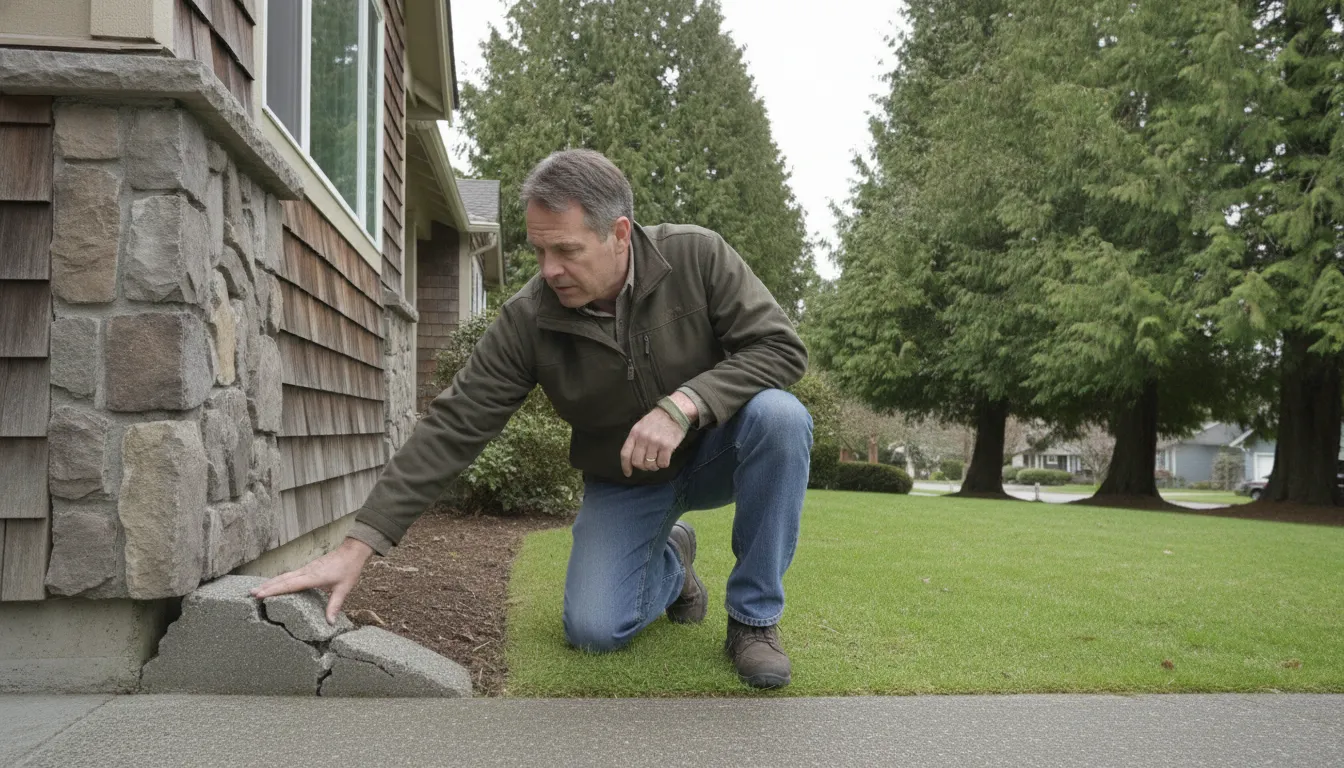
How to Sell a House With Foundation Problems in Washington
Major foundation repairs in Washington often cost seven thousand dollars per project. This price tag can stop a traditional sale before it begins. You should know your choices before you spend money on a broken slab.
A fast way to sell house with foundation problems Washington is to choose between repairs, listing with an agent, or selling as-is for cash. Most buyers struggle to get bank loans for homes with structural defects. This makes a traditional sale difficult unless you pay for major repairs first. According to Foundation Costs, the average repair in the state costs about $7,000 in 2026. If you want to skip construction, you can sell the house directly to a cash buyer. This path lets you avoid repairs, skip agent fees, and choose your own closing date. It is a simple way to move on from a home that needs significant work without the stress of the traditional market. It also helps you avoid the risk of a buyer backing out after an inspection.
Selling a home with structural damage requires you to understand your legal duties. Many owners feel stuck, so we will answer the question: Can you sell a house with foundation problems in Washington? The path to a successful home sale begins with
Sell House With Foundation Problems Washington: Can you sell a house with foundation problems in Washington?
Yes, you can sell a house with foundation issues in Washington. While structural damage makes it harder, it does not stop a sale. You must choose between fixing the damage before listing or selling the home as it is now. The best path for you depends on your budget, time, and how much stress you can take.
Foundation warning signs to evaluate before selling
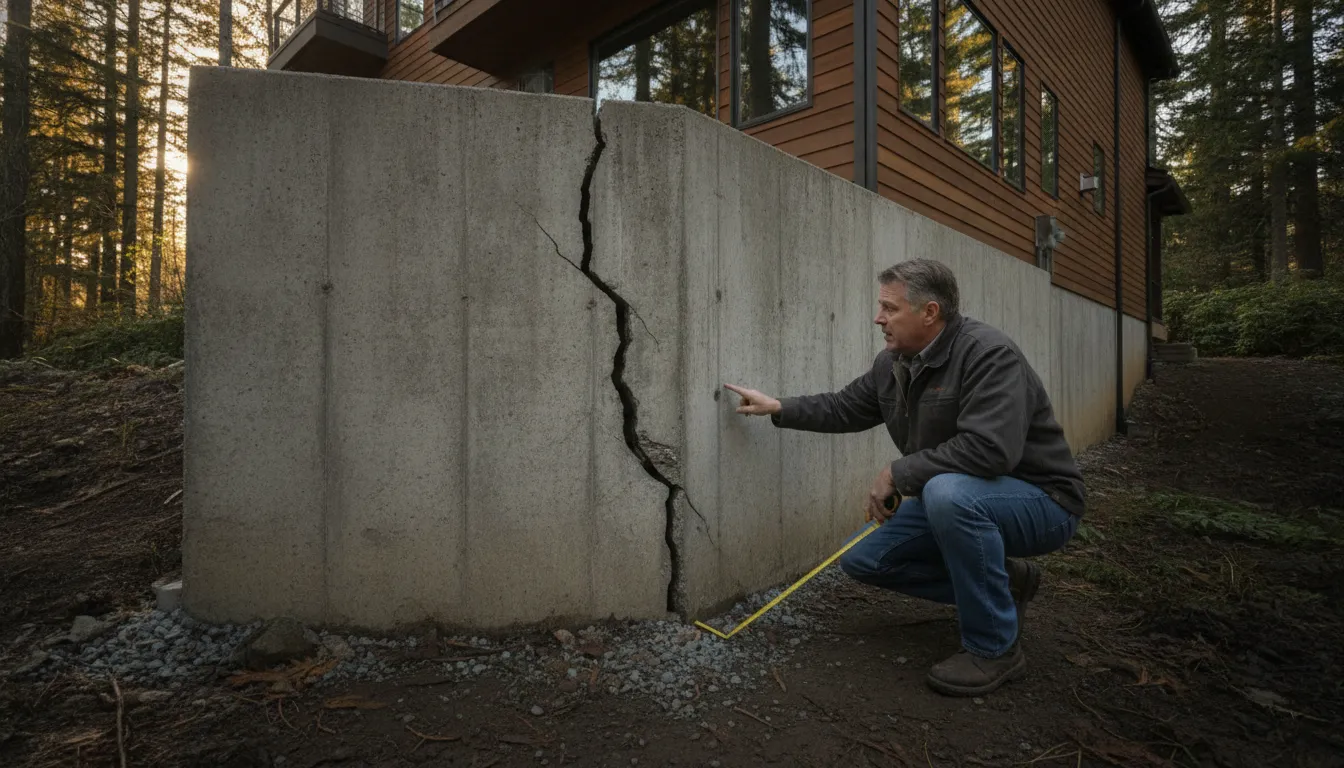
Before you sell your home, you must check for foundation issues. These problems can impact the value of your property. They can also change how you approach your sale. Some signs are small and may be normal, but others suggest deeper structural trouble. It is vital to spot these early when you sell house with foundation problems Washington.
Visible cracks in walls and slabs
Cracks are the most common sign of movement. Small cracks that are 1/4 inch or less are often just part of normal settlement (Source: Kind House Buyers). You might see these in the concrete slab or on foundation walls. However, wider cracks or those that run in a stair-step pattern can be more serious.
In our wet state climate, moisture can make these cracks worse over time. If you notice cracks that seem to grow or let in water, it is time to look closer. When you are selling your home with structural concerns, knowing the size of these cracks helps you decide your next steps.
Sticking doors and uneven floors
When a foundation shifts, the frame of the house can warp. This often leads to sticking doors or windows that do not open smoothly. You might also notice gaps where the walls meet the ceiling or floor. Uneven or sloping floors are another clear signal that the home has moved (Source: REIBranded Homebuyer).
These signs show that the house may be at risk. While a sticking door could just be a minor issue, many of these signs together point to a bigger problem. If you are understanding as-is sales, you know that these defects must be shared with buyers.
When to call a professional
If you see any of these warning signs, you should get an expert opinion. A foundation inspection in Washington usually costs between $420 and $1,400 (Source: Foundation Costs). This report gives you a baseline for the damage. It helps you understand if you need a structural expert or a repair team.
Washington law requires sellers to disclose known material facts (Source: RCW 64.06.020). Hiring a pro ensures you have the right facts before you list. If the repairs seem too costly, you might consider a cash offer for a foundation-damaged home. This path lets you sell the house as-is without the stress of fixing issues yourself.
Compare your three main selling options
When you need to sell house with foundation problems Washington, you have three main paths to take. Each choice has its own set of pros and cons. You must weigh the price you want against the time and cash you can spend. Some owners want the highest price on the market, while others need to close fast and move on to a new place.
The best choice for you depends on the level of damage and your own goals. If the cracks in the walls are small, you might be able to list it like any other home. But if the soil has shifted or the slab is sinking, you may need a more direct plan. Picking the wrong path can lead to months of deep stress and a lot of lost money.
Fixing your foundation first
Making repairs before you list your home can help you get the best price from a retail buyer. Most people who buy on the open market want a home that is safe and ready for them to move in. If you fix the deep issues, you remove the biggest risk for new owners. This path often leads to more offers and a higher final sale price for your house.
But this is also the most costly path to take. Large foundation work in Washington can cost from $20,000 to over $100,000 based on the damage. You will also need to pay for an expert to look at the home. A foundation inspection can cost as much as $1,400. You must have the cash ready to pay these big bills before you can even start the sale.
Time is another big factor for you to think about. Finding a good crew and getting the right city permits takes time. You may have to wait for months for the work to reach the finish line. If you are in a rush to move for a job or a family need, this wait may not work for you. You also run the risk of finding even more issues once the crew starts to dig.
Selling as-is on the open market
You can choose to list your home on the market in its current state. This saves you the upfront cost and the stress of a big repair job. You simply tell buyers about the issues and look for a person who is willing to take on the work. In Washington, the law says you must tell buyers about known defects using the Seller Disclosure Statement Form 17.
The main issue with this path is that it cuts down your pool of buyers. Most people use a bank loan to buy a house, but lenders often say no to homes with deep damage. This means you can only sell to those with cash or special loans. Your home may sit on the market for a long time as you wait for the right person to come along.
Even if you find a buyer, the deal can still fall through at the last minute. Many people back out once they see the results of their own home check. This leads to more delays and can make your home look bad to other buyers. You may end up taking a much lower price than you first thought just to get the house sold and off your hands.
The direct cash sale path
A direct sale to a cash buyer like Peak Real Estate Solutions is often the fastest path for you. We buy homes in any state, which includes selling as-is for a cash offer. You do not have to spend a dime on repairs, cleaning, or agent fees. This is a great fit if you want to avoid the risks and the wait of the open market.
This choice gives you the most surety and peace of mind. You do not have to worry about bank loans or house checks that fail. Once we make an offer for your home, the price is set in stone. You also get to choose your own closing date, so you can move when it is best for you. This helps if you are facing a quick move or a hard life change.
While a cash offer might be lower than a retail price, you save money in other ways. You keep the cash that would have gone to fees and repair bills. For many people, the speed and ease of this path are worth more than a higher price from a slow sale. It is a simple way to turn a house with big problems into cash in your hand without the wait.
| Feature | Fix and List | List As-Is | Direct Cash Sale |
|---|---|---|---|
| Potential sale price. | May be highest. | Discounted for condition. | Reflects as-is condition. |
| Upfront cost. | Repair and preparation costs. | Usually limited. | No repair costs. |
| Timing. | Depends on repairs and buyer. | Depends on finding a qualified buyer. | Flexible closing date. |
| Agent fees. | May apply. | May apply. | No agent commissions. |
| Inspections. | Buyer may inspect. | Buyer may inspect. | Simple property review. |
| Certainty. | Depends on repair outcome and buyer. | Depends on buyer and financing. | No lender contingency. |
How foundation problems affect inspections and financing
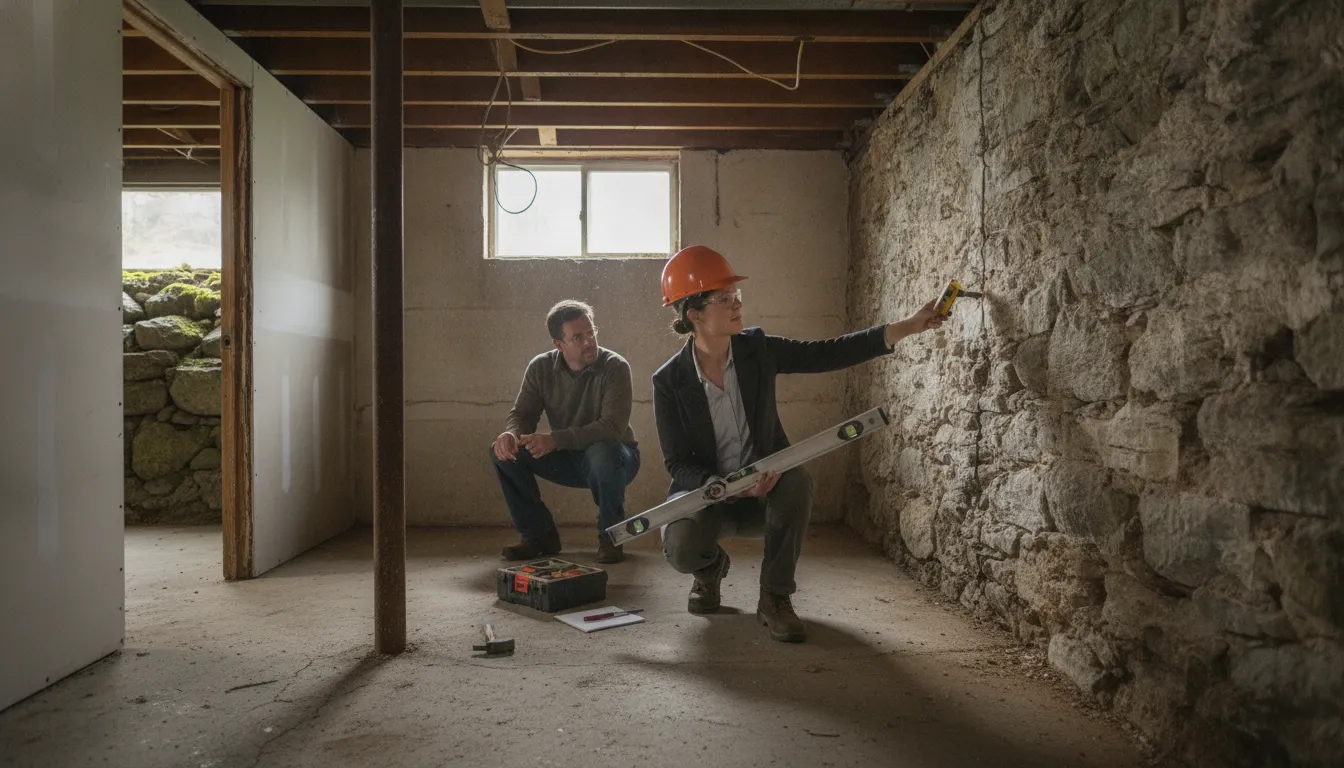
Selling a home with structural issues often brings many hurdles in a standard sale. Most buyers in Washington look for homes that are move-in ready. When a house has foundation damage, it sets off red flags for both buyers and banks. These issues can slow down your sale or even cause the deal to fail at the last minute. This creates a lot of stress for owners who need a quick and sure sale.
Hurdles with normal home inspections
A home inspection is a normal part of most house deals. In Washington, sellers must give buyers a Seller Disclosure Statement, also called Form 17. This form asks about the home’s condition. You must list any known foundation issues on this form. If you fail to share these facts, the buyer may have the right to cancel the deal within three business days. During the check, a pro will look for signs of settling or shifts. They often check for sticking doors, wall cracks, or floors that are not level. They may suggest a full foundation inspection to find the cause of the damage. If the report shows big problems, the buyer will likely ask for a price drop or costly repairs. Many buyers will simply use their inspection clause to back out. This can leave you back at the start after weeks of waiting.
Barriers to getting buyer loans
Most home buyers need a bank loan to buy a house. Banks want to make sure the home is a safe asset. If a pro finds structural defects, the bank may refuse to give the loan. Banks are wary of the high costs and risks linked to a house that needs work. They worry that a failing foundation could lower the value of the home. Many loan types have very strict rules about the safety of a house. For example, a house with a failing slab might not meet the standards for a basic loan. When a bank denies a loan, the whole sale usually stops. You may find that only people with cash can buy your home. This makes the pool of buyers much smaller and makes a normal sale a long and hard path.
Why a direct sale makes things easy
You can avoid the stress of inspections and loan denials by choosing a direct cash sale. Peak Real Estate Solutions buys homes as-is. This means we take on the structural risks so you do not have to. You will not need to worry about a buyer walking away after an inspection report. We do not need bank loans to buy your home, so there is no risk of a bank blocking the sale. When you sell house with foundation problems Washington to us, the process is fast. You can skip the long repair lists and the need for many showings. We provide a fair cash offer and let you pick the closing date that fits your needs. This path gives you a clear way forward and peace of mind during a tough change.
What should Washington sellers disclose?
Selling a home in Washington comes with clear rules about what you must tell buyers. The state needs most home sellers to fill out a Seller Disclosure Form. This form is often called Form 17. It asks you to share what you know about the home’s state. This includes any big issues that could affect the value or safety of the home.
The Form 17 rule
Under RCW 64.06.020, sellers must give this form to the buyer after they sign a sale deal. The law says you must share defects based on what you truly know at the time you fill out the form. You do not have to find new problems, but you must be honest about the ones you already know. If you fail to give this form, the buyer might have three days to cancel the sale.
Some sales do not need this form. For example, foreclosures or gifts between family members are often exempt. But for most home sales, this step is a key part of the process. Even when you choose a cash offer for a foundation-damaged home, you still need to follow state rules. Being clear from the start helps you avoid legal trouble later.
Foundation and building issues
When you want to sell house with foundation problems Washington, you must be very clear about the damage. Foundation issues are seen as big facts. This means they are big enough to change a buyer’s mind about the deal. You should list signs of trouble like sticking doors, uneven floors, or large cracks in the walls. These signs often point to deep building issues that a buyer needs to know about.
If you have had a pro look at the home, you must share their findings. Once you get an inspection report, the facts in that report become part of what you know. Trying to hide these issues can lead to big risks. Most buyers will find these problems during their own check anyway. It is always better to be open about the state of your home from the first day.
Legal help and advice
These facts are for general help and are not legal advice. Every home sale is different, and laws can be hard. You should talk to a Washington real estate lawyer if you have clear questions. They can help you understand your duties and protect your rights during the sale. They can also tell you if you need to share environmental facts, which the law says you cannot skip.
Sellers also have a duty to keep the facts updated. If you find a new problem before the sale ends, you must tell the buyer. Keeping the buyer informed creates a smoother path to the closing day. It also builds trust, which is vital when you are selling as-is for a cash offer. Taking these steps helps ensure your sale stays on track.
How a direct cash buyer evaluates structural work

When you need to sell a house with foundation problems in Washington, a cash buyer looks at your home in a new way. A normal buyer wants a home that is ready to move into now. But a direct cash buyer looks at the land and the house as they are. At our firm, we find ways to help you move on from a home that feels like a burden. We do not look for reasons to say no. We look at the facts to see how to make a deal work for both of us. We take on the risks that banks and regular buyers will not touch.
Checking the state of the home
First, we check the state of the home as it sits today. We look for cracks in the walls and sloped floors. We also look at the outside of the house to see if the concrete is sinking. In Washington, sellers must fill out a form about known flaws. This is part of RCW 64.06.020. This law says you must list facts about the house. We use these facts to know what we are buying. Since we buy as-is, you do not have to fix anything first. We do our own check so we can offer a fair price based on what we see.
Estimating repair costs and risks
Next, we look at the work needed to make the house safe and sound. Fixing a foundation in Washington can cost a lot. Big jobs can run from $20,000 to over $100,000. We think about the cost of the crew and the parts. We also think about the risk of what we might find once the work starts. Structural work often has new costs that pop up. In Washington, the wet weather and soil type can make these repairs even harder. We might find settled slabs or rot in the concrete from too much moisture. A cash buyer adds a buffer for these costs so you do not have to worry. This lets us give you a set offer that will not change.
Balancing value and ease
We also look at what the house will be worth once it is fixed. We compare your home to others in the area that are in top shape. But we also factor in the cost of holding the house. While we fix it, we must pay for taxes, insurance, and bills like heat and water. These costs add up over the months it takes to finish a big job. We check the local market to see how long it might take to sell once we are done. You can see how we buy houses and pick a closing date that fits your life. At our company, we aim to give you a simple path out of a tough spot.
Reviewing the location and title
We also look at where the home is located and if there are any title issues. A house in a fast-moving area of Washington might be worth the risk of a big repair. We also check for things like liens or tenant issues. If you have renters in the home, a direct buyer can often take over the lease for you. This saves you from having to move people out before you sell. We look at every detail of the home to make sure our offer is right for your unique case. By taking on these tasks, we give you the ease you need during a hard time. You can start fresh without the stress of a failing foundation.
Steps to choose the right way to sell
When you want to sell your home with structural concerns, you need a clear plan. You must weigh the costs of fixing the house against the speed of a fast sale. Foundation issues are big problems, so a slow path can lead to more stress. Use these steps to find the best way for your needs.
Gather your home records
Start by finding all old repair bills and reports. In Washington, you must tell buyers what you know about the home. Under RCW 64.06.020, sellers must give a disclosure form to the buyer. This form covers facts like foundation cracks or sinking. Having your records ready helps you fill this out and stay within the law.
- Get an expert check. Ask a pro to look at the damage. This report gives you a starting point for what needs a fix. It also helps you decide if you want to pay for work before you list the home.
- Request repair quotes. Call local firms to see what the work will cost. Some jobs are small, but others can be very high. Knowing these numbers helps you see if you will make money after the fix.
- Look at your final cash. Take repair costs and agent fees from a likely sale price. Then, look at the money you would get from selling as-is for a cash offer. This shows which path leaves you with more in your pocket.
- Check your risk and time. Fixes can take weeks and may find new problems. A market sale also has a high risk of failing if a bank will not fund the buyer. Think about how fast you need to move and if you can wait for a buyer.
- Tell the truth on Form 17. You must list known defects on the Seller Disclosure Statement. This is the law for most home sales in Washington. Being honest prevents legal trouble after the sale and keeps the process moving.
Compare your options
A market sale works best if you have the time and cash to fix the home. Most buyers want a place they can move into right away. But if the costs are too high, a direct buyer can help. We buy homes as-is, which means you do not have to clean or fix a thing. You can pick your closing date and get a fair, no-pressure offer for your house.
Frequently Asked Questions
How much does foundation damage devalue a home?
Foundation problems can lower a home’s value by 10 to 30 percent. This happens because most buyers cannot get a loan for a damaged house. Based on industry data, major repairs can cost between $20,000 and $100,000. Many people choose to sell as-is to avoid these costs and the risk of losing money on a normal sale.
Will a bank finance a house with foundation problems?
Most banks will not give a loan for a home with known structural issues. Lenders see these homes as high risk because the repair costs can be very high. As noted by real estate experts, buyers often need homes that meet strict safety rules. If you want to sell a house with foundation damage, finding a cash buyer is often the most sure path.
Is it worth fixing a foundation before selling?
The choice to fix a foundation depends on the cost and the local market. In Washington, the usual repair project costs about $7,000 in 2026. But complex jobs can cost more than $34,000. If the repair cost is low and the market is strong, you might get your money back. For many owners, selling the house in its current state is simpler and faster than running a large building project.
What not to fix before selling a house as-is?
Do not spend money on major repairs like foundation work when selling to a direct buyer. You do not need to worry about painting, cleaning, or small updates. Peak Real Estate Solutions buys homes in any state. This helps you skip the stress and cost of getting a house ready for the open market. You can still get a fair offer and move on quickly.
Do I have to disclose foundation problems in Washington?
Yes, Washington law requires you to tell buyers about known structural issues. You must fill out a form called the Seller Disclosure Statement. Based on state law, you must share any facts you know about the home’s state. If you do not tell the truth, the buyer could back out of the deal. Selling to a cash buyer does not change this duty, but it makes the sale easier.
Ready to sell your Washington home with foundation issues today?
If you leave deep cracks as they are, you may face high repair bills that make it very hard to sell for a fair price today. If you sell now, you can skip the stress of open houses and pick a move-out date that works for your own family. See how we buy houses by visiting our how it works page to learn how we help folks who live in Washington.
Ready to request a fair, no-obligation cash offer? Call 360-359-6112 to talk to us and start the simple process of selling your home. Our team is ready to help you find a fast solution that lets you move on with cash in your pocket.