Sell House With Code Violations Washington Guide
If you need to sell house with code violations Washington homeowners have legal, practical options. You usually do not have to repair every violation before a sale, but you must disclose known problems and resolve title issues as the closing requires.
Request a fair, no-obligation cash offer from Peak Real Estate Solutions to sell your Washington house as-is without repairs, cleaning, showings, commissions, or hidden fees.
Washington law does not generally prevent the sale of a house with code violations. A seller must disclose known defects, and open fines or liens may need to be paid or otherwise resolved through closing. A direct cash buyer can evaluate the property as-is without relying on traditional mortgage approval.
Sell House With Code Violations Washington: Can you sell a house with code violations in Washington?
Yes. Washington homeowners can sell a house with code violations without completing every repair first. The seller still needs to disclose known issues, and the buyer must agree to accept the property and any responsibilities stated in the contract.
Yes, you can sell a house with code violations in Washington. Many people think they must fix every flaw before they can list a home for sale. But you have paths that do not need high-cost fixes. Selling a house with code violations in Washington is a great path for owners who want to move fast. It also helps those who do not have the cash for big repairs. The result will depend on the type of flaw and how you choose to sell.
What are building code issues?
A code flaw happens when a home does not meet local safety rules. Most cities in Washington follow a set of laws to keep homes safe. These rules cover things like wiring, pipes, and how a house is built. Some old homes may have work that was once fine but now fails new laws. These parts are often “grandfathered” in as long as you do not change them. But if you try to get a new permit, the city may ask you to fix the old work first.
Flaws often come up during a home check or when you apply for a permit. If you have work done without a permit, the city might tell you to tear it down. This can cause a lot of stress for owners. But you can still sell if you find a buyer who will take on the work. Many people selling properties with code violations find a path by working with cash buyers. These buyers handle the fixes after the sale is done.
Your duty to tell the buyer
When you sell a home in Washington, you must follow the law on what you tell the buyer. Sellers must by law give a form that lists all known facts about the house. You must be honest about any code flaws you know of at the time of the sale. Hiding these issues can lead to big legal fees later. Being clear from the start is the best way to protect yourself.
Once you give this form to the buyer, they have three business days to change their mind. This gives them time to look at the facts and choose if they still want to buy. If you are selling a house with code violations, telling the truth is key. Most buyers who need a bank loan will not be able to buy a house with major code flaws. Banks often refuse to lend money for homes that do not meet safety rules.
Selling a house as-is for cash
One of the best ways to move on is to sell the home as-is. This means you do not make any repairs before the sale. You sell the house just as it is right now. Cash buyers often look for homes with these types of problems. They see the value in the land or the house and can fix the issues later. This saves you from the pain of dealing with city staff or high-priced workers.
A cash sale also cuts out many of the stops in a normal sale. You do not have to wait for a bank to say yes to a loan. You also do not need a pro to check the home value. You can pick a close date that fits your needs. This path offers a clear way out for those who want to avoid the stress of a long fix. If you need an easy way to sell, a cash offer may be the right fit for you.
Do you have to disclose code violations in Washington?
Yes. Washington sellers generally must disclose known property defects and code issues on the required seller disclosure statement. Selling as-is changes who performs repairs, but it does not erase the duty to give accurate information.
Yes. Washington sellers generally must disclose known code violations and material defects, even when the property is sold as-is.
Yes. If you want to sell house with code violations Washington laws say you must tell the buyer about them. In our state, most home sales need a special form called a seller disclosure statement. This is often known as Form 17. You must list any big issues you know about the house on this form before you finish the sale. This helps ensure both sides are clear on the state of the home.
Washington state disclosure rules
Washington law (RCW 64.06.020) says you must give the buyer a full disclosure paper. You have to share facts about the house that could change its value or safety. This includes issues with the land, the frame, and the systems inside. When you are selling a house with code violations, you must list those problems clearly for the buyer to see.
You only have to share what you know at the time you fill out the form. If you know of a deck built without a permit or old wires that are not safe, you must write it down. This rule protects both the buyer and the seller from future legal claims. Once the buyer gets this form, they usually have three business days to decide if they still want to buy the house. If they find a new issue in the report, they can back out of the deal without any loss.
Material facts and safety issues
Code violations are often seen as material facts in a real estate deal. A material fact is something that would matter to a buyer who is looking at your home. For example, a bad roof, a broken sewer line, or a mold issue might change how much a buyer is willing to pay. If the city has sent you a note about a code problem, that is a fact you must share. It shows that the home does not meet the local laws for safety or health.
Common code issues in Washington include work in the basement or attic that was done without a permit. It can also include electrical panels that do not meet the newest safety codes. Some people think that selling a house “as-is” means they do not have to say anything at all. That is not true. Even if you will not fix the problems, you still have to tell the buyer they are there. This helps you avoid legal trouble later on. If a buyer finds a major problem you hid, they could take you to court after the sale is over.
Staying safe with honest answers
Being honest is the best way to protect yourself when you sell a home. If you are not sure if something counts as a violation, it is best to talk to a pro. A real estate lawyer can help you understand your own case. They can guide you on how to fill out the form so you are safe and covered. This keeps the sale moving and prevents shocks at the end of the closing process.
Working with a cash buyer like Peak Real Estate Solutions can make this easy and fast. We buy homes in any state, even with big code issues or open permits. We do not ask you to fix a single thing or deal with city inspectors. You still have to tell us what you know, but we use those facts to give you a fair offer. This takes the stress out of the sale and lets you move on to your next home with peace of mind.
Your options for selling a house with violations
The three main options are repairing before listing, listing as-is on the open market, or selling directly for cash. The best path depends on available funds, the severity of the violations, financing risk, and how quickly the owner needs to close.
Homeowners can repair the violations, list as-is, or sell directly to a cash buyer. The best path depends on costs, available time, and financing.
When you want to sell house with code violations Washington, you have three main paths to take. Each choice has its own set of costs and risks. The right move for you depends on your budget, your timeline, and the state of your home. You should weigh the pros and cons of each path before you sign any contract. Dealing with city fines or work orders can be a heavy weight. Knowing your choices will help you find the best way forward.
- Repair first: maximize marketability but pay costs upfront.
- List as-is: reach retail buyers but accept financing and inspection risk.
- Sell directly for cash: skip repairs and lender conditions for a simpler closing.
Making repairs before you list
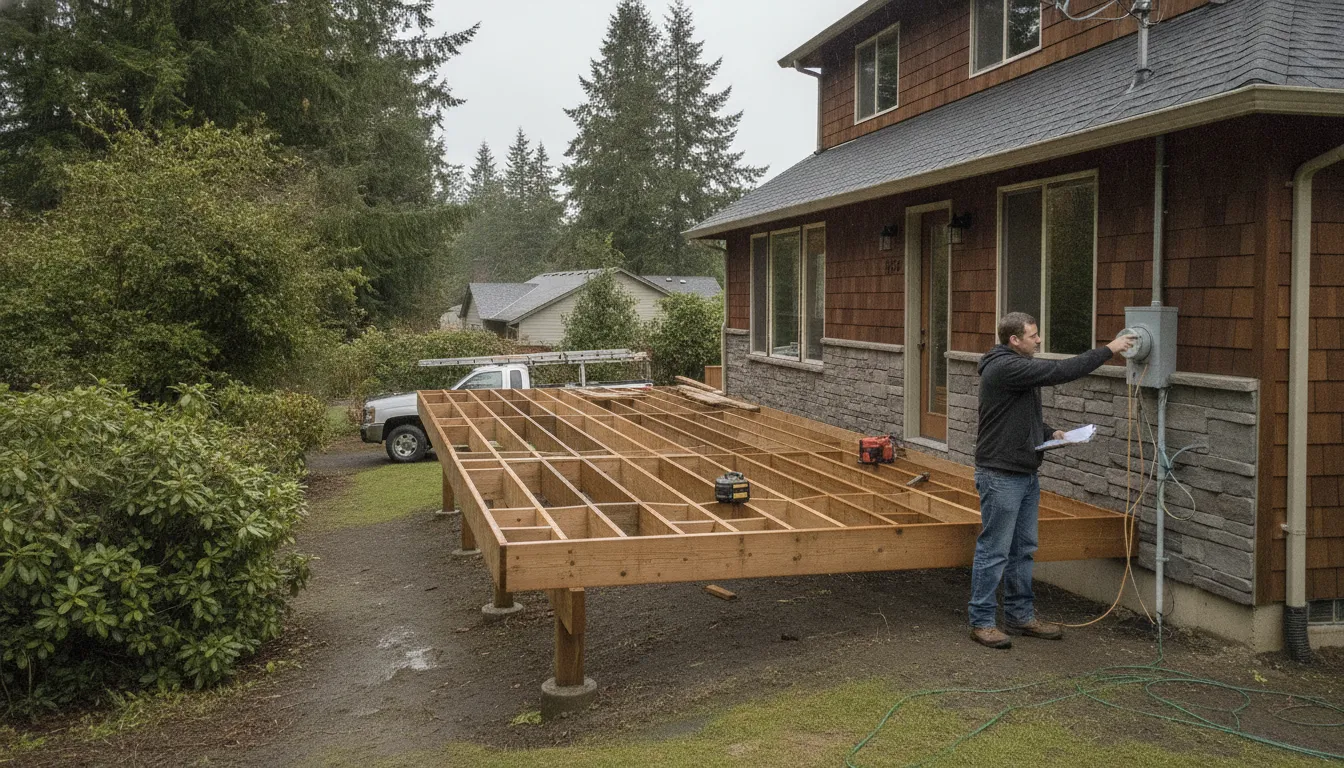
One option is to fix every issue before you put the house on the market. This path often leads to the highest sale price but takes the most work. You will need to hire pros and pull city permits to clear the flags. Most cities in the state use codes that set a base for safety and construction. You may find that some old issues are “grandfathered” in and do not need a fix. But new work must meet the latest rules. Often, code flags are found when a pro does an inspection or when you ask for a permit. Hiring people to do the work can cost a lot of money upfront. If you have the cash and the time, this may be a good fit. But for many, the high cost of fix-ups makes this path too hard to finish.
Listing as-is on the open market
You can also choose to list your home in its current state with a real estate agent. This lets you skip the repairs, but you must be open about every flaw. Washington law says you must give a completed seller disclosure statement to any future buyer. This form tells the buyer about known issues like bad wiring or leaks. Once a buyer gets this form, they have three business days to walk away from the deal. The main risk here is the bank loan. Most banks will not lend money for a home with major safety risks or big code flags. This means your pool of buyers is much smaller than for a move-in ready home. You may wait a long time for a buyer who can pay with their own cash. Agent fees will also take a bite out of your final check.
Selling directly to a cash buyer
A direct sale is the fastest way to selling properties with code violations without the stress. Cash buyers like Peak Real Estate Solutions buy homes exactly as they are today. Many home flippers and investors look for houses with code issues. They see these homes as a chance to add value through their own work. They do not mind doing the repairs themselves after the sale is done. When you sell for cash, you do not need to clean, fix, or show the house to dozens of people. There are no agent fees or bank rules to worry about. This path gives you the most peace of mind and a quick closing date of your choice. It is a simple way to move on from a house that has become a burden. You can start by getting a cash offer with violations and close in just a few days. You keep more of the sale price because you do not pay for repairs or fees.
| Selling Path | Upfront Cost | Total Time | Loan Risk | Peace of Mind |
|---|---|---|---|---|
| Repair First | High | 3-6 Months | Low | Moderate |
| Market As-Is | None | 2-4 Months | High | Low |
| Direct Cash Sale | None | 7-14 Days | None | High |
Why traditional financing can become an obstacle
Traditional financing can fail when an appraiser, insurer, or lender identifies safety hazards or unpermitted work. A lender may require repairs before funding, which can delay closing or cause the buyer to withdraw.
Traditional financing can fail when violations affect safety, insurability, appraisal value, or lender requirements. A cash transaction avoids mortgage underwriting.
Most buyers who want to buy a house in Washington need a bank loan. But banks have strict rules. They want to know the house is safe and worth the price. When you try to sell house with code violations Washington, these rules can stop the sale. Lenders often refuse to fund a home that has big safety risks.
The appraisal and inspection trap
Lenders use an appraisal to find a home’s value. If a house has code issues, the appraiser must list them. The bank may then stop the loan until you fix the problems. Home checks often find these issues during the sale. Under Washington State law, you must tell the buyer about all known property defects. This means you cannot hide code issues from a buyer or their lender.
Underwriting and insurance hurdles
The bank team looks at all the risks. Code issues are a big red flag for them. They worry about the home losing value. Insurance firms also care about these risks. A house with bad wires or a leaking roof may be hard to insure. Most lenders need a valid insurance plan before they close the deal. If you cannot get a plan, the buyer cannot get the loan.
Loss of buyer confidence
When a buyer hears about code issues, they often get scared. They may think the house has more hidden flaws. This can lead to the buyer asking for a much lower price. They might even walk away from the deal. Buyers in Washington can usually back out of a sale for a short time after they see the property disclosures. Getting a cash offer with violations helps you avoid these bank rules and keep the sale on track.
What happens to open fines or liens at closing?
A title company identifies recorded liens and obtains payoff information before closing. Some fines or liens can be paid from the seller proceeds at closing, but the exact resolution depends on the title issue, contract, and local authority.
Open fines or recorded liens are usually identified during title review and addressed before or at closing. Treatment depends on the local authority and sale agreement.
When you sell house with code violations Washington, any open fines or liens become a key part of the closing process. These debts stay with the property, not the owner. Most buyers and lenders will not close until these issues are resolved. To move forward, you must first find every debt linked to your home. You can work with a title company to run a full search. This report shows any money you owe to the city or county for safety issues or unpaid work.
How liens affect your title
A lien is a legal claim against your home. It acts like a “cloud” on the title that stops a clean sale. In Washington, you must disclose known material facts like these to any buyer. If you have open fines, the title company will look for them during their research. They will ask the city for a “payoff” letter. This letter lists the exact amount needed to clear the debt. This step is vital to ensure the new owner gets a clear title without old debts.
Paying off fines at the closing table
You do not always need cash on hand to fix these issues. Often, the title company can pay the fines using your sale proceeds. This means the money is taken out of the final check you get at the end. This is a common way to see how it works when selling to a professional buyer. It helps you avoid paying out of pocket before the deal is done. But, if the total debt is more than the home value, you may need to talk to the city about a settlement.
Talking to the city for a settlement
Cities in Washington sometimes want to help homes get back into good shape. If your fines have grown very large, you or your buyer can ask for a fine reduction. You may need to show a plan for how the repairs will be made. While there are no sure results, many cities will lower fines if it means the property will be fixed. If you are stuck with high debts, you can get a cash offer from a buyer who knows how to handle these talks. This can take the stress off your shoulders and let you move on.
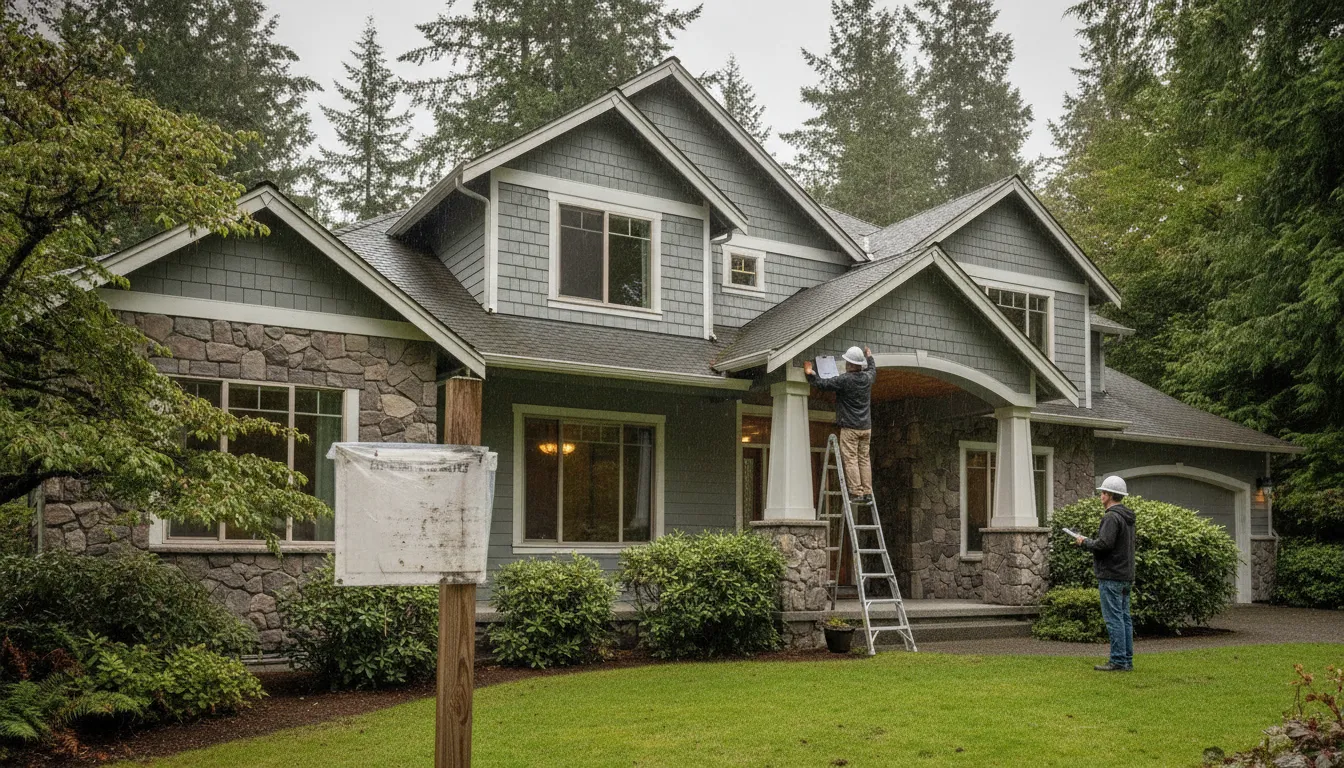

How an as-is cash sale works
An as-is cash sale typically involves requesting an offer, sharing known property issues, reviewing written terms, completing title work, and choosing a closing date. Peak Real Estate Solutions evaluates the home in its current condition without requiring repairs or lender approval.
In an as-is cash sale, the buyer evaluates the property, makes an offer that accounts for needed work, completes title review, and closes without requiring renovations.
Selling a house through a real estate agent often requires a lot of work. You might need to fix leaks or paint walls. If you need to sell house with code violations Washington, this can be even harder. The standard market can be very slow. City staff and repairs can take months. A direct cash sale is different. It removes the stress of tight dates and costly fixes.
Start with a simple request
The process starts when you reach out for help. You do not need to fix anything or clean the home. We look at the house in its current state. This includes any open permits or safety issues. We provide a clear path forward without any pressure to act. You can share your story with us so we can find the best fit for your case.
We will look at the area and the work needed. You can view our often asked questions to see how we price homes. We aim for a fair price that accounts for the as-is state. Our goal is to give you a cash offer that makes sense for your house.
Clear the title and city needs
Once you have an offer, we handle the hard work. This includes checking the title and city records. Even if you have code issues, we can often find a way to help. We deal with the paperwork so you do not have to. This saves you from long lines at the city office.
In Washington, you must still give a disclosure form to the buyer. This form lists what you know about the home. We help you through this step to keep things simple. You should be honest about any code issues you know of. This protects you during the sale.
Set your own closing day
You get to choose when we close the deal. This freedom helps if you need time to find a new place. We do not charge fees or take a cut of your money. What we offer is what you get at the end. You won’t have to pay for a real estate agent or any hidden costs.
- Request an offer. Contact us with your home details and any notice of code violations you have received.
- Get a fair offer. We review the data and give you a no-pressure cash offer for your house as-is.
- Review the terms. Take your time to look over the offer and ask us any questions you have about the process.
- Accept the offer. If you like the price, we move to the title and city record review to ensure a smooth sale.
- Pick a date. You choose the closing day that works best for your plans and your move.
- Get your cash. We close the sale at a local title company, and you get your money without any hidden fees.
This path lets you move on from a home that feels like a weight. To learn more, check out our guide on how we buy houses in Washington. We are here to help you find a way out that fits your needs. Our team is ready to talk when you are.

What to do before choosing a selling path
Gather violation notices, permit records, repair estimates, and title information before comparing sale options. Clear records help you assess costs, timelines, and the net proceeds available from each path.
Gather notices and permits, identify possible liens, estimate repair costs, compare likely net proceeds, and ask each buyer how they will handle the known violations.
You may feel rushed to act when you face city fines. But taking a few steps first will help you find the best way forward. Before you decide to sell house with code violations Washington, you should know the full state of your home. This starts with clear files and a look at your local laws.
Gather your records and notices
Start by finding every letter or notice from the city or county. These papers list each violation and the date it was found. You should also check the cost of any fines as they stand now. Some cities add daily fees that grow fast over time. Knowing these numbers helps you see how much a delay might cost you.
It is also a good idea to talk to local code staff. Ask them what steps are needed to clear the issues. You may find that some old problems are “grandfathered” in. This means they might not need a fix under newer rules. Having this info ready makes it easy to talk to buyers or agents.
Check for title and lien issues
Code issues can lead to liens on your home title. A lien is a legal claim that must be paid when you sell the house. If you have many unpaid fines, the city may place a lien on the house. You should request a title report to see any clouds on the title. This report shows who you owe and how much money you must pay.
Washington law has strict rules for home sales. Under RCW 64.06.020, sellers must give buyers a disclosure form. You must list all known material facts about the home. This includes any active code issues or safety risks. Being honest now prevents legal trouble after the sale is done.
Compare your timeline and costs
Think about how fast you need to sell. A standard sale on the market can take months. You may need to fix the violations first to help a buyer get a loan. Most banks will not lend money for a home with major safety risks. If you lack the cash for repairs, a retail sale might not work for you.
Look at your net profit after all costs. A direct sale to a cash buyer can save you money on fees and commissions. When selling properties with code violations, a cash offer often closes in days. This stops the daily fines from the city. You can then walk away with a clear mind and cash in hand.
Choosing a fix or a fast sale is a big choice. Take the time to weigh your stress levels against the future profit. A simple path often yields the best peace of mind for homeowners in tough spots.
Frequently Asked Questions
Does selling a house as-is in Washington excuse code violations?
No. Selling a house as-is means you do not make fixes. But you must still tell the buyer about all known issues. Washington rules say you must list any safety flaws or work done without permits on a disclosure form. You cannot use an as-is sale to hide these facts. Being open helps protect you from future legal bills. According to Washington State Law, you must share what you know about the home’s state.
Can I sell a house with open permits in Washington?
Yes, you can sell a house with open permits. An open permit means the city has not signed off on the work. Many buyers will want you to close the permit before the sale. However, a cash buyer will often take the house with the permit still open. They will handle the final checks after they buy the home. This lets you move on fast without the stress of dealing with city staff or long wait times.
What happens if I don’t fix code violations before selling?
If you do not fix the flaws, you must list them on your disclosure form. Most buyers who need a bank loan will not be able to buy your home. This is because banks often refuse to lend money for houses that are not safe. You may also have to lower your price to account for the repair costs. A great way to avoid these issues is to sell to a cash buyer who buys homes as-is.
Can I sell a house with unpermitted work in Washington?
Yes, you can sell a house with work done without a permit in Washington. You must tell the buyer that the work was done without city approval. If you do not share this fact, you could face legal trouble after the sale. Some buyers might ask you to get a permit before they close. If you want an easy sale, you can work with a company that buys houses for cash in any condition.
{“@context”:”https://schema.org”,”@type”:”FAQPage”,”mainEntity”:[{“@type”:”Question”,”name”:”Does selling a house as-is in Washington excuse code violations?”,”acceptedAnswer”:{“@type”:”Answer”,”text”:”No. An as-is sale does not remove the seller’s duty to disclose known issues.”}},{“@type”:”Question”,”name”:”Can I sell a house with open permits in Washington?”,”acceptedAnswer”:{“@type”:”Answer”,”text”:”Yes. A buyer may accept open permits if known issues are disclosed.”}},{“@type”:”Question”,”name”:”What happens if I do not fix code violations before selling?”,”acceptedAnswer”:{“@type”:”Answer”,”text”:”You may have financing obstacles, but an as-is cash buyer may still purchase the property.”}},{“@type”:”Question”,”name”:”Can I sell a house with unpermitted work in Washington?”,”acceptedAnswer”:{“@type”:”Answer”,”text”:”Yes, provided known unpermitted work is disclosed and accepted by the buyer.”}}]}{“@context”:”https://schema.org”,”@type”:”FAQPage”,”mainEntity”:[{“@type”:”Question”,”name”:”Does selling a house as-is in Washington excuse code violations?”,”acceptedAnswer”:{“@type”:”Answer”,”text”:”No. Selling a house as-is means you do not make fixes. But you must still tell the buyer about all known issues. Washington rules say you must list any safety flaws or work done without permits on a disclosure form. You cannot use an as-is sale to hide these facts. Being open helps protect you from future legal bills. According to Washington State Law, you must share what you know about the home’s state.”}},{“@type”:”Question”,”name”:”Can I sell a house with open permits in Washington?”,”acceptedAnswer”:{“@type”:”Answer”,”text”:”Yes, you can sell a house with open permits. An open permit means the city has not signed off on the work. Many buyers will want you to close the permit before the sale. However, a cash buyer will often take the house with the permit still open. They will handle the final checks after they buy the home. This lets you move on fast without the stress of dealing with city staff or long wait times.”}},{“@type”:”Question”,”name”:”What happens if I don’t fix code violations before selling?”,”acceptedAnswer”:{“@type”:”Answer”,”text”:”If you do not fix the flaws, you must list them on your disclosure form. Most buyers who need a bank loan will not be able to buy your home. This is because banks often refuse to lend money for houses that are not safe. You may also have to lower your price to account for the repair costs. A great way to avoid these issues is to sell to a cash buyer who buys homes as-is.”}},{“@type”:”Question”,”name”:”Can I sell a house with unpermitted work in Washington?”,”acceptedAnswer”:{“@type”:”Answer”,”text”:”Yes, you can sell a house with work done without a permit in Washington. You must tell the buyer that the work was done without city approval. If you do not share this fact, you could face legal trouble after the sale. Some buyers might ask you to get a permit before they close. If you want an easy sale, you can work with a company that buys houses for cash in any condition.”}}]}
Ready to sell your Washington house with code violations?
Peak Real Estate Solutions buys Washington houses as-is and provides a clear, no-pressure path to a flexible closing date.
Leaving city code issues alone can lead to steep fines and extra legal stress that grows the longer you wait to act on your home. You can stop the clock on these rising costs today by choosing a fast sale that lets you skip city inspectors and high repair bills. Starting now means you can move on with cash and avoid the risk of more fines or legal trouble that comes with a distressed home. We help you find a simple path forward so you can leave the burden of a broken house behind and get the peace you want.
Ready to sell? Call Peak Real Estate Solutions at (360) 359-6112 to request a fair, no-obligation cash offer.
