
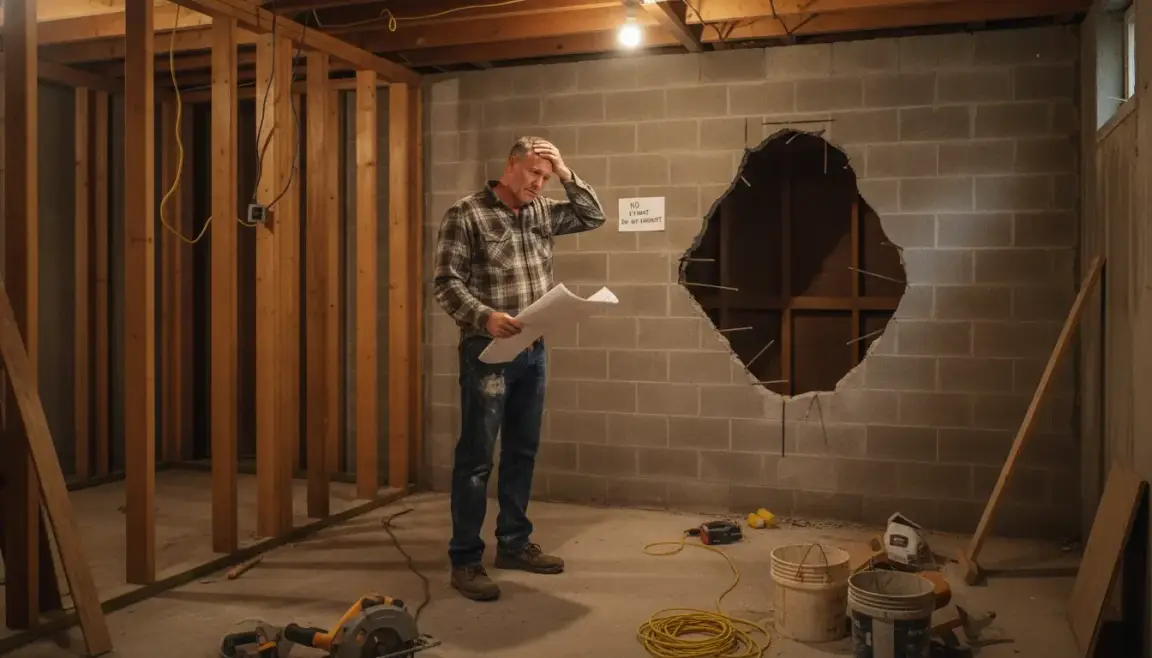
Finding out a previous owner finished your basement without a permit can instantly derail a Washington home sale. Traditional buyers and bank lenders often back away when they discover unpermitted work. To sell house with unpermitted work washington, homeowners must either get costly permits after the fact or sell the property as-is to a cash buyer.
Get a fair cash offer for your Washington home today. No repairs, no permits, no hidden fees.
To sell house with unpermitted work washington, homeowners must either get costly permits after the fact or sell the property as-is to a cash buyer. Washington law requires you to disclose all unpermitted changes on the Form 17 disclosure form. These disclosures often prevent traditional buyers from getting bank loans. A local cash buyer like Peak Real Estate Solutions will purchase your home in its current shape, giving you certainty without any fix-up work.
You might wonder how unpermitted work affects your home value and how to handle the selling process. To understand your options, you can review how a cash home sale works in our detailed guide. If you are dealing with broader challenges, read Selling Your Washington Home in a Difficult Situation: Foreclosure, Divorce, Inheritance, and More to see how cash buyers help in tough circumstances.
Sell House With Unpermitted Work Washington: What Counts as Unpermitted Work in Washington?
In Washington, unpermitted work includes any renovation or addition that required a building permit but was completed without one. Structural changes, electrical work, plumbing, and HVAC projects all need permits under Washington building codes. Sellers must disclose these issues on Form 17, and failing to do so creates legal liability.
Home improvements can make a house more comfortable, but they must follow state and local rules. In Washington State, unpermitted work is any renovation, addition, or structural change that required a building permit but was completed without one. You can read more about how local building guidelines define these projects at Kelli Lang Real Estate. This issue often comes up when homeowners try to sell their properties and find out that past work does not have the right paperwork.
Projects That Need a Permit
Many homeowners do not know which projects need city or county approval. In Washington, you generally need a permit for structural changes, electrical work, plumbing, and mechanical systems. For example, adding a room, finishing a basement, or building a new deck are structural changes that need permits. Installing new electrical wiring, adding pipes, or putting in a new heating system also require official inspection and approval. Minor cosmetic changes like painting or laying new carpet do not need permits, but any project that changes the structure or systems of the home usually does.
Common Examples in Local Homes
Unpermitted work is very common in older Washington houses. You can find out more about these common renovations at KDS Homebuyers, where typical examples include finished basements, room additions, and deck construction. Many owners do this work themselves to save cash or avoid the slow permit process. They might convert a garage into a living space, add a bathroom, or replace water lines without calling the local building department. While these changes may look good, they are still considered code violations if they do not have the proper municipal sign-off.
The Real Risk for Homeowners
Having unpermitted work on your property can lead to big problems when it is time to sell. If you plan to list your home on the market, you must understand your options. Many sellers find it helpful to learn about selling a house as-is to avoid the stress of dealing with unpermitted spaces. If you hide the unpermitted work, you could face legal trouble after the sale. If you try to fix it, you may face expensive fines and have to tear open walls so inspectors can view the work.
Washington Disclosure Requirements for Unpermitted Additions
Washington’s Form 17 Seller Disclosure Statement requires sellers to disclose all known unpermitted work. Failure to disclose material facts like unpermitted additions can lead to lawsuits after the sale. Selling to a cash buyer still requires disclosure on Form 17, but cash buyers accept the property as-is without demanding retroactive permits or repairs before closing.
When you want to sell your house for cash or through a traditional agent, you must know the local disclosure laws. Washington state has strict rules about what a seller must share with a buyer. You cannot simply hide known structural changes or DIY projects that lack the proper paperwork. For homeowners facing multiple hurdles, Selling Your Washington Home in a Difficult Situation provides additional guidance on navigating complex property challenges.
The Role of Form 17 in Washington Real Estate
In Washington, you must fill out a Seller Disclosure Statement, which is commonly known as Form 17. Under Washington law, sellers must disclose known unpermitted work on this form. This rule applies to any major change you made to the property without a building permit. According to legal guidelines on Washington disclosure rules, this includes finished basements, room additions, or electrical upgrades. If you know about a change that lacks a permit, you must write it down on Form 17.
The Legal Obligation to Disclose Material Facts
Washington state law is very clear on seller duties. Sellers must disclose known material facts, including any known unpermitted work. A material fact is anything that could affect the value or safety of the home. According to real estate experts at Lani Fisher Homes, leaving this information off your disclosure form can lead to major legal liability after the sale. If a buyer finds out you lied or hid the work, they can sue you for the costs of repairs, retroactive permits, or other damages.
How Selling for Cash Simplifies the Process
You can legally sell a home with unpermitted work, but Washington law requires sellers to disclose known issues on the Form 17 Seller Disclosure. If you sell on the open market, traditional buyers will often walk away or demand huge price drops when they read these disclosures. But when you work with a direct cash buyer, the process is much simpler. A cash buyer expects to buy the property as-is, meaning they accept the home with all its current issues and unpermitted work. You still disclose the work on Form 17, but the buyer signs off on it without demanding that you get permits or make expensive repairs first.
Why Traditional Buyers and Lenders Reject Unpermitted Properties
Traditional buyers rely on bank financing, and lenders routinely reject loans for homes with code violations or unpermitted additions. Unpermitted work can reduce a home’s market value by 5% to 20%. Home inspections and appraisals typically expose unpermitted work, leading to renegotiations, deal cancellations, or loan denials. Cash buyers bypass these barriers entirely since they do not need lender approval.
When you try to sell a house on the traditional market, unpermitted work creates major blocks. Regular buyers rely on bank loans to purchase a home. Because of this, the lending bank has a massive say in whether your sale goes through. Understanding these barriers can help you decide if listing with an agent is the right path for your situation.
The Real Impact on Your Home Value
Unpermitted renovations like finished basements, room additions, or deck construction can lower a home’s market value by 5% to 20%. You can read more about this on KDS Homebuyers. Traditional buyers want a discount because they must take on the risk of fixing or permitting the work. Even if a buyer loves the layout, their real estate agent will likely advise them to make a much lower offer to cover these future costs.
Lender Refusals and Loan Restrictions
Most traditional buyers use conventional, FHA, or VA loans. However, mortgage lenders often refuse to fund loans for homes with code violations or major unpermitted additions. According to the guidelines on KDS Homebuyers, banks want to protect their investment. If a property has structural, electrical, or plumbing changes completed without city inspections, the bank views the home as a high risk and will deny the loan.
Appraisal and Inspection Deal Breakers
During a traditional sale, two major hurdles will expose any secret work. First, a professional inspector will look at the home. Home inspectors can identify unpermitted work during a buyer’s inspection, which often leads to renegotiations or deal cancellations. You can verify this inspection process on Redfin. Second, home appraisers may note visible unpermitted work during their visit, which can reduce the appraised value and impact financing approval. You can learn more about appraisal risks on Lani Fisher Homes.
Avoiding the Stress of Traditional Sales
If you do not want to deal with picky buyers, failed inspections, or banks denying loans, you have other options. Choosing a path like selling a house as-is directly to a cash buyer removes these hassles. Cash buyers do not need bank loans, which means they can buy your Washington home without inspections, appraisals, or stressful delays.
How Cash Buyers Evaluate Unpermitted Work
Cash buyers evaluate unpermitted properties based on the cost of addressing code issues rather than requiring permits upfront. They purchase at 70% to 80% of market value but save sellers 5% to 6% in agent commissions plus thousands in repair costs. No bank financing means no appraisal or inspection hurdles. Cash buyers take on all legal risk associated with unpermitted work.
A direct cash buyer looks at your home differently than a traditional buyer. Instead of worrying about bank loans or strict guidelines, cash buyers evaluate the property as-is. They look at the cost of fixing the unpermitted structures or getting retroactive permits down the road. This helps them make a fast, fair offer based on the real value of the home.
A Direct and Simple Offer
If you want to sell your house for cash, you do not have to worry about getting a bank to approve a loan. Direct buyers use their own funds to buy properties. They can purchase homes with unpermitted additions, basements, or decks. They take on the risk of the unpermitted work, so you do not have to deal with the stress or the city code office.
How the Price is Decided
Cash buyers often buy homes at about 70% to 80% of their full market value because they take on the legal risks and repair needs. However, you must compare this to the costs of a traditional sale. When you sell directly, you save on agent fees, repair bills, and monthly holding costs. A direct sale avoids the 5% to 6% commissions that real estate agents charge, which helps protect your net proceeds.
Traditional Sales Compared to Cash Buyers
The table below shows how a traditional home sale compares to a cash buyer sale when dealing with unpermitted work in Washington.
| Sale Factor | Traditional Sale | Direct Cash Buyer |
|---|---|---|
| Financing | Lenders often refuse loans for homes with code violations. | No bank loans needed; direct cash purchase. |
| Inspections | Buyers use inspection reports to renegotiate or cancel. | Home is bought as-is with no repair demands. |
| Repairs | Seller must fix issues or pay for retroactive permits. | Seller makes zero repairs; buyer handles all work. |
| Commissions | Seller pays 5% to 6% in real estate agent fees. | No agent fees, no closing fees, and no hidden costs. |
| Timeline | Can take months to find a buyer and close the loan. | Quick closing on a flexible date chosen by the seller. |
No Showings or Headaches
Choosing a direct buyer means you can skip the typical home sale stress. There are no public showings, open houses, or cleaning checklists. Peak Real Estate Solutions purchases homes in any condition, including outdated houses, damaged properties, and rentals with active tenants. You can sell your home without making a single fix and move on with peace of mind.
Your Options for Selling vs. Retroactively Permitting
Washington homeowners with unpermitted work face two paths: retroactively permit the work through the local building department (costing $500 to $2,000 plus repair costs and months of delays) or sell the property as-is to a cash buyer who accepts all code issues. Most sellers choose the cash sale because it avoids inspections, contractor costs, and the risk of failed permitting.
When you have a home with unpermitted work, you generally face two main choices. You can spend the time and money to fix the issue with your local building office. Or you can find a buyer who will take the property exactly as it is now.
The Path to Retroactive Permitting
If you want to clear the title before you list the home on the open market. You will need to get retroactive permits from your local Washington city or county building department. For example, in Pierce County, you must apply to legalize any structures built without approval. This process typically follows these major steps:
- Submit your application: You must file plans and pay retroactive fees to your local building office. Retroactive permits typically cost $500 to $2,000 plus the cost of any required repairs.
- Pass safety inspections: Local building inspectors will visit your property to check the work. They may require you to cut open drywall or lift flooring so they can examine hidden electrical, plumbing, or structural systems.
- Complete mandatory repairs: If the inspector finds code violations, you must hire contractors to bring the work up to current building codes before the city will sign off on the permit.
The As-Is Cash Sale Option
Many homeowners find that the permitting process is too slow, expensive, or stressful. If you do not want to deal with inspectors or pay for major repairs, you can choose to sell the property as-is to a cash buyer. This option removes the need for traditional bank approvals, which often stall when a property has major code violations.
By choosing an as-is sale, you can skip the entire permitting process, save on repair costs, and avoid the risk of failed inspections. It is helpful to learn how a cash home sale works so you can compare the speed and ease of a direct sale against the hassle of trying to legalize old remodeling projects yourself.
How Selling for Cash Solves the Unpermitted Work Problem
A direct cash sale solves every major barrier created by unpermitted work. Cash buyers do not need bank financing, so lender restrictions on code violations do not apply. They accept the as-is condition, eliminating the need for retroactive permits. Sellers avoid disclosure liability because the buyer purchases with full knowledge of the property’s condition. And flexible closing dates give sellers control over their timeline.
If you need to sell house with unpermitted work washington, the MLS can be stressful. Homeowners often get stuck in a loop of failed inspections and lost buyers. A direct cash sale provides a clear, reliable path forward. This option bypasses the strict rules of banks and traditional home buyers.
Eliminate Bank and Inspection Barriers
Traditional buyers rely on mortgage lenders. But banks often refuse to fund loans for homes with code violations. During the sale, home appraisers may note visible unpermitted work. According to a Washington buyer-side guide, this can halt loan approvals instantly. This leads to broken contracts and forces you to start over.
A direct cash buyer like Peak Real Estate Solutions does not need bank approval. We use our own funds to buy homes. This means we do not require third-party home appraisals or lender inspections. This removes the main reason traditional home sales fall through.
Avoid Disclosure and Legal Liability Risks
Washington law requires sellers to disclose known unpermitted work on Form 17. Failing to list these issues can lead to legal liability after the sale is complete. If a traditional buyer finds unpermitted work after closing, they could take legal action. According to a local cash buyer resource, these issues often ruin standard deals.
When you sell your house for cash to us, we buy the property with full knowledge of its history. We accept the home exactly as it stands today. This completely removes your risk of post-sale lawsuits and gives you true peace of mind.
Skip Costly Repairs and Choose Your Closing Date
Fixing unpermitted work can take months of work and cost thousands of dollars. Local building departments often demand that you tear down walls. They do this to inspect old electrical or plumbing work. This turns a simple fix into a massive, expensive project.
We believe in keeping things simple for Washington homeowners. We buy residential properties in any condition, meaning you do not have to perform any repairs or cleaning. We make a fair, no-obligation cash offer. You select the exact date you want to close, giving you complete control over your timeline.
Contact Peak Real Estate Solutions today to get a fair cash offer for your Washington home with unpermitted work.
Frequently Asked Questions
Can you sell a house with unpermitted work in Washington?
Yes, you can legally sell a home with unpermitted work in Washington State. However, Washington law requires you to disclose any known work done without permits on the Form 17 Seller Disclosure Statement. Selling the house as-is to a cash buyer allows you to bypass the need to get retroactive permits or complete costly repairs first.
How does unpermitted work affect a home appraisal?
An appraiser who notices unpermitted additions or changes during their inspection must report them. Lenders often refuse to fund home loans for properties with major code violations or unpermitted spaces. According to real estate market data, unpermitted renovations can reduce a property’s market value by 5% to 20%.
What can a homeowner do without a permit in Washington?
Washington homeowners can do simple cosmetic work without a building permit. This includes projects like painting, putting in carpet, or installing countertops. However, any structural changes, room additions, deck building, or new electrical, plumbing, and heating systems always need permits. Completing these larger tasks without a permit creates code issues that you must disclose to buyers.
How much does it cost to get a retroactive permit in Washington?
A retroactive permit in Washington typically costs between $500 and $2,000. You must also pay for any extra repairs needed to bring the work up to local building codes. If the work is hidden behind drywall, inspectors may require you to tear open walls so they can inspect the wiring or plumbing before they approve it.
Ready to get a fair cash offer for your Washington home?
Delaying the sale of a house with unpermitted work can lead to mounting city fines, code enforcement issues, or legal trouble with traditional buyers. Selling the traditional way means waiting months for retroactive permits, making expensive repairs, and hoping a bank will approve the buyer’s mortgage loan. You can avoid all of these stressful worries and costly delays by choosing a simple path that lets you sell on your own timeline.
Get Your Cash Offer Now, No obligation, no pressure, just a fair price for your home as-is.
