

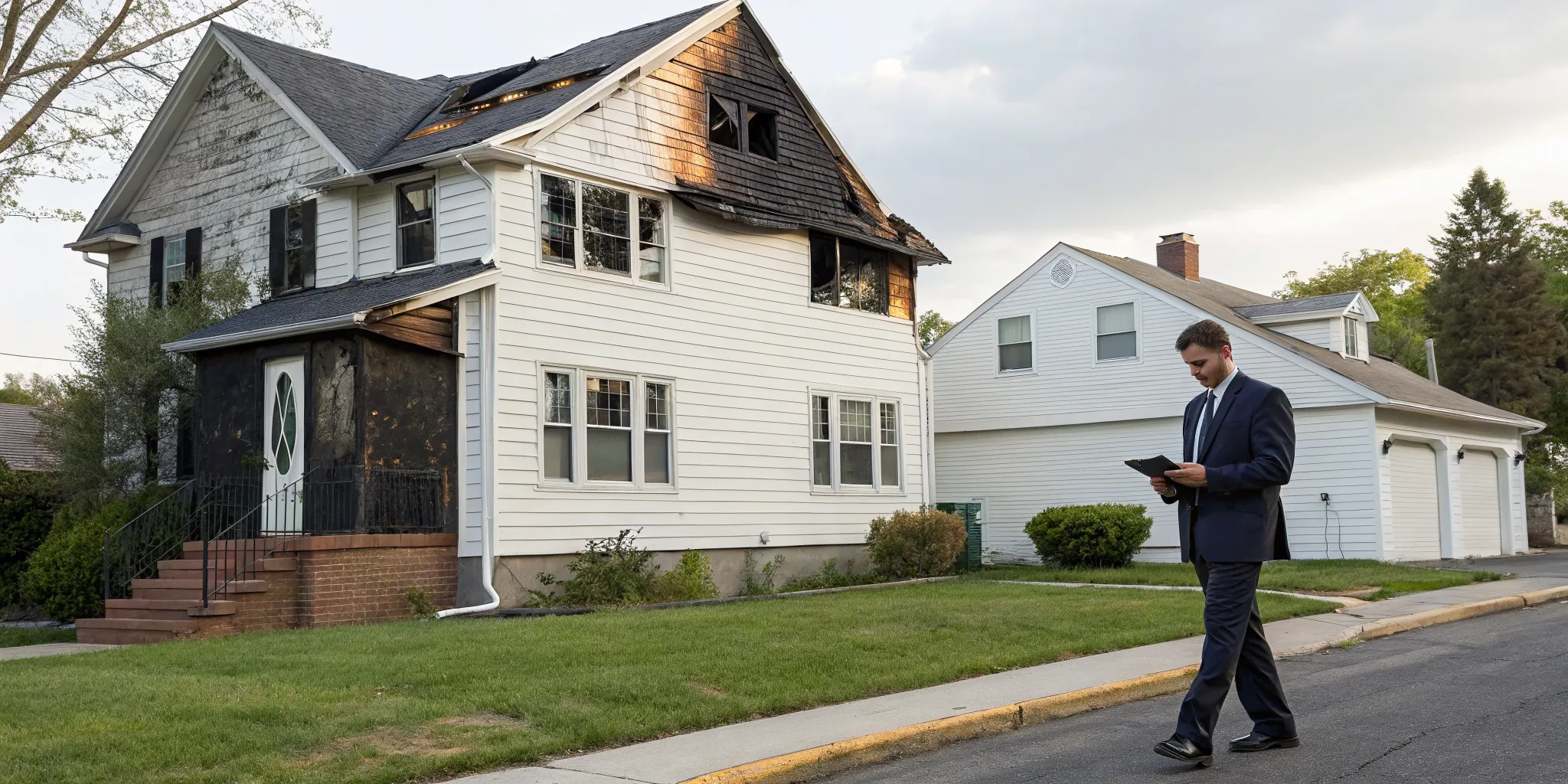
It’s easy to look at a fire-damaged home and think it’s a total loss. Many homeowners assume their only option is a lengthy, expensive repair process or that the property is now worthless. The truth is, you have more options than you think. Your property, especially the land it sits on, still has significant value. This guide will show you that a damaged home is far from unsellable. We will explain how to sell a house after a fire by attracting the right kind of buyers, like investors and cash home buying companies, who see potential where others see problems. You can get a fair price and a fresh start without the stress of a rebuild.
Key Takeaways
- Start with safety and professional advice: Your first steps should be to confirm the property is safe, contact your insurance company, and get a professional damage assessment. These actions provide the clarity you need to understand the full extent of the damage and make informed choices.
- Choose between repairing or selling as-is: You can either invest in repairs to potentially sell for a higher price on the traditional market or sell your home in its current condition for a faster, simpler process. Whichever you choose, you are legally required to disclose the fire damage.
- A cash sale provides a simple, guaranteed solution: Selling your home as-is to a cash buyer eliminates the need for repairs, cleaning, and showings. This option offers a certain and fast closing, allowing you to receive your money and move forward without the stress of a lengthy renovation or unpredictable sale.
What Happens to a House After a Fire?
Walking through your home after a fire is tough. It’s hard to know where to even begin when you’re looking at the damage. Beyond the emotional toll, the first step toward moving forward is to understand exactly what you’re dealing with. The visible destruction from the flames is only part of the story.
Damage from a fire falls into different categories, from surface-level cosmetic issues to serious structural problems that can compromise the entire house. There’s also the hidden damage left behind by smoke, soot, and the water used to put the fire out. Understanding these different types of damage is critical because it will influence everything that comes next, including your insurance claim, your repair options, and your decision on how to sell the property. Let’s break down what you need to look for.
Structural vs. Cosmetic Damage: What’s the Difference?
After a fire, you’ll see two kinds of damage: cosmetic and structural. Cosmetic damage affects the home’s appearance but not its safety. Think scorched paint, stained walls, melted light fixtures, or damaged flooring. While it can look dramatic, this type of damage is usually less expensive to fix.
Structural damage is far more serious. This is damage that harms the home’s framework and stability, like charred support beams, a compromised foundation, or a weakened roof. It can make a home unsafe to live in and is very expensive to repair. It’s often impossible to tell the full extent of structural issues just by looking, which is why a professional assessment is so important before you make any decisions.
Beyond the Flames: Smoke, Soot, and Water Damage
The damage doesn’t stop once the fire is out. Smoke particles are tiny and can get into everything, including your walls, insulation, and HVAC system, leaving a persistent odor that’s difficult to remove. Soot is the black, powdery residue left behind, and it’s acidic, meaning it can corrode surfaces and cause further damage over time.
Then there’s the water. The huge amount of water used to extinguish the fire can cause as many problems as the fire itself. It soaks into drywall, wood, and flooring, creating the perfect environment for mold and rot to set in. A professional damage assessment is the only way to uncover the full extent of this hidden damage and get a clear picture of what you’re facing.
When Is a Fire-Damaged Home Considered Unsellable?
A house might be considered a “total loss” or unsellable on the traditional market if the cost to repair it is more than what the house would be worth after repairs. If the structural damage is too severe, local authorities may even condemn the property and require it to be torn down. This can feel like the end of the road, but it isn’t.
Even if your home is declared a total loss, the property itself still has value, especially the land it sits on. While traditional buyers looking for a move-in-ready home will pass, your property becomes an opportunity for the right buyer. This is where cash buyers and investors come in. They have the resources to handle major renovations or a complete teardown and rebuild, and they can see the potential that others can’t.
Your First Steps After a House Fire
Dealing with the aftermath of a house fire is incredibly overwhelming. Once your family is safe, the sight of your damaged home can leave you feeling lost and unsure of what to do next. It’s a stressful and emotional time, but taking a few key actions right away can help you regain a sense of control and set you on the right path forward. Before you can even think about selling or rebuilding, you need to address the immediate safety, insurance, and documentation needs.
Think of these first steps as a simple checklist to get you through the first few days. Each one is designed to protect you, your finances, and your property. By tackling them one by one, you can create a clear foundation for the bigger decisions you’ll have to make later, like whether to repair the damage or sell your house as-is. This initial phase is all about gathering information and securing your assets so you can move forward with confidence, knowing you’ve covered all your bases.
Put Safety First
Before you do anything else, your absolute top priority is safety. Do not re-enter your home until the fire department has officially declared it safe. Even if the flames are out, a fire-damaged structure can be extremely dangerous. You could be facing risks from a compromised roof or floors, toxic soot and smoke residue, or damaged electrical wiring that could still be live. Emergency responders are trained to assess these hazards. Waiting for their green light is the most important thing you can do to protect yourself and your loved ones from further harm. Once you have clearance, proceed with extreme caution.
Contact Your Insurance Company
As soon as you can, call your homeowner’s insurance provider to start the claims process. The sooner you report the fire, the faster your insurer can begin their work and provide the support you need. Have your policy number handy if possible, but don’t worry if you can’t find it right away; they can look it up with your name and address. Ask your agent about your coverage for Additional Living Expenses (ALE), which can help pay for temporary housing, food, and other essentials while you’re displaced. This initial call gets the ball rolling on everything from damage assessment to financial assistance.
Secure and Document the Damage
Once it’s safe to enter the property, your next job is to document everything. Before you touch or move a single item, take extensive photos and videos of the damage from every possible angle. Capture wide shots of rooms and close-ups of specific items. This visual evidence is vital for your insurance claim. You should also start a file to gather important documents, including the police or fire report, communications with your insurer, and any receipts for immediate expenses. If possible, secure the property by boarding up broken windows or damaged doors to prevent looting or further weather damage.
Get a Professional Damage Assessment
While your insurance adjuster will conduct their own evaluation, it’s wise to get an independent, professional damage assessment. The fire department’s report is just a starting point. Hidden damage from smoke, soot, water, and compromised electrical or HVAC systems can cause problems long after the fire is out. Hiring a licensed structural engineer or a public adjuster can give you a complete and unbiased picture of the home’s condition. This detailed report is crucial for ensuring you receive a fair insurance settlement and for understanding the true cost of repairs. It’s also the kind of in-depth information we use in our process to create a fair, no-obligation cash offer.
Who to Call for Help After a Fire
After a fire, it’s easy to feel overwhelmed and isolated. But you don’t have to figure everything out on your own. The key is to assemble a team of professionals who can give you clear, expert advice. These are the first people you should have on your side to help you assess the damage and understand your options, so you can make the best decision for your situation.
Why You Need an Inspector and Engineer
The fire department’s report is a starting point, but it won’t tell you the whole story. To truly understand the condition of your home, you need a professional damage assessment. This means hiring a licensed home inspector or, for more serious concerns, a structural engineer. They can uncover hidden issues that aren’t visible to the naked eye, like damage to the electrical wiring, HVAC system, or the home’s foundation. These experts provide detailed reports and photos, which are crucial for your insurance claim and for any future sale.
Working With Your Insurance Adjuster
Your first phone call after ensuring everyone is safe should be to your homeowner’s insurance company. They will assign an adjuster to your case, and this person will be your main point of contact throughout the claims process. It’s essential to speak with your insurance company *before* you begin any cleanup or repairs. They need to assess the damage themselves, and they will tell you exactly what your policy covers. Most standard policies cover fire damage, giving you a path forward as you begin to process your claim.
Finding an Expert in Fire-Damaged Properties
Understanding your home’s value is a critical piece of the puzzle. You’ll want to get a professional appraisal from someone who has experience with fire-damaged properties. They can determine two important numbers: what your house was worth before the fire and what it’s worth now in its as-is condition. This information is invaluable because it helps you weigh the costs of repair against the potential sale price. It gives you the clarity needed to decide whether to invest in repairs or pursue a direct sale. Our team at Peak Real Estate Solutions specializes in these situations and can explain how we buy houses in any condition.
Your Legal Duties When Selling a Fire-Damaged Home
After a fire, the last thing you want to think about is legal paperwork. But when you decide to sell, understanding your legal duties is one of the most important steps you can take. Being upfront about the property’s history isn’t just the right thing to do; it’s required by law and protects you from future legal trouble. Think of it as setting clear expectations from the start, which helps ensure a smooth and final sale.
In Washington, sellers have a legal obligation to be transparent with potential buyers about a property’s condition. This is especially true for significant events like a fire. Trying to hide damage can lead to serious consequences down the road, including lawsuits and financial penalties. By handling your disclosures correctly, you build trust with buyers and can move forward with confidence, knowing you’ve met your legal responsibilities.
Understanding Washington’s Disclosure Laws
In Washington state, honesty isn’t just the best policy; it’s the law. When you sell a home, you are required to provide the buyer with a Seller Disclosure Statement, often called Form 17. This document is your formal opportunity to disclose everything you know about the property’s condition, including any history of fire damage. You must be truthful and thorough.
This means detailing the fire itself, the extent of the damage (including smoke, soot, and water damage), and a full account of any repairs that were made. Never try to hide or downplay the damage. Being transparent on this form is your legal obligation and protects you from a buyer coming back later and claiming you concealed information.
The Risks of Not Disclosing Damage
Failing to disclose fire damage can create major legal and financial headaches. If a buyer discovers undisclosed damage after the sale, they could sue you for fraud or misrepresentation. This could result in you paying for repairs, covering their legal fees, or in some cases, the court could even void the sale entirely. It’s a risk that simply isn’t worth taking.
Beyond the legal issues, a lack of transparency can scare away the very buyers you want to attract. Serious investors and cash buyers value straightforward information. If they suspect you’re hiding something, they may walk away or submit a much lower offer to account for the unknown risk. Our process at Peak Real Estate Solutions is built on fairness and transparency, which is why we appreciate when sellers are upfront with us from the start.
Clearing Up Common Disclosure Myths
One of the biggest myths is that selling a house “as-is” frees you from your disclosure duties. This is not true. An “as-is” clause simply means you will not be making any repairs before the sale. It does not mean you can hide known defects. You are still legally required to tell buyers about the fire, the damage it caused, and any repairs you completed.
Another misconception is that you only need to disclose visible damage. You must share everything you know, even hidden issues like potential smoke damage within walls or compromised structural elements. The best approach is always full transparency. It builds trust and ensures that when you close the deal, it stays closed for good, allowing you to move on without looking back.
Should You Repair Your Home or Sell As-Is?
After a fire, one of the biggest decisions you’ll face is whether to undertake repairs or sell the property in its current condition. There’s no single right answer, and the best path depends entirely on your finances, timeline, and personal capacity for a large project. Thinking through the pros and cons of each option will help you make a choice that feels right for you and your family.
The Pros and Cons of Repairing Before You Sell
Taking on repairs before you sell can feel like the most logical step. A fully restored home will almost always command a higher price on the traditional market and attract a wider range of buyers, including those who need financing. In some cases, the money you invest in repairs can come back to you at closing. However, this path isn’t for everyone. Renovations are expensive, and managing contractors, permits, and timelines can be incredibly stressful, especially when you’re already dealing with the aftermath of a fire. There’s also no guarantee that your final sale price will cover all your out-of-pocket repair costs.
The Pros and Cons of Selling As-Is
Selling your house “as-is” means you sell the house exactly how it is without making any repairs. The primary advantage here is simplicity and speed. You avoid the financial and emotional burden of a major renovation project. You don’t have to find contractors, pay for materials, or wait months for the work to be completed. This option allows you to get cash for your property quickly and move on. The main trade-off is a lower selling price, as the buyer will factor the cost of necessary repairs into their offer. Your buyer pool will also be smaller, consisting mainly of investors and cash home buyers who specialize in properties that need work.
Do the Math: Repair Costs vs. After-Repair Value (ARV)
Before you decide, it’s smart to do some basic math. Start by getting professional quotes for the fire, smoke, and water damage repairs. Costs can range from a few thousand dollars for minor issues to tens of thousands for significant structural work. Next, you’ll want to estimate the After-Repair Value (ARV), which is what your home would be worth on the market if it were fully fixed. You can then compare the repair costs to the potential increase in sale price. Remember to talk with your insurance company to understand what they will cover before you commit to any work. This financial breakdown gives you a clear picture of which option makes the most sense on paper.
How to Decide What’s Right for You
Ultimately, this decision comes down to your personal situation. If you have the savings, the time, and the emotional energy to manage a large-scale renovation, repairing your home might be a good choice. It could lead to a higher profit when you sell. On the other hand, if you need to move forward quickly, want to avoid additional stress, or the repair costs are simply too high, selling as-is is a perfectly valid and often wise decision. It provides a straightforward path to closing the chapter on a difficult event. If you think selling as-is is the right path for you, we can provide a no-obligation cash offer to help you see what’s possible.
How to Price a Fire-Damaged House
Figuring out the right price for a fire-damaged home can feel like one more overwhelming task on a very long list. It’s not as simple as looking at comps in your neighborhood. The price depends on the extent of the damage, the cost of repairs, and your insurance situation. Getting this right involves a few key steps to understand what your property is truly worth in its current state, which will help you decide the best path forward.
How to Get a Post-Fire Appraisal
One of the most practical first steps is to get a professional appraisal. You’ll want an appraiser who has experience with damaged properties. They can help establish two important numbers: what your house was worth before the fire and what it’s worth now, in its as-is condition. This information is powerful. It gives you a realistic baseline and helps you weigh your options. Knowing the as-is value is especially crucial if you’re considering a sale without making repairs. This appraisal data helps you evaluate offers from potential buyers and negotiate with your insurance company.
Understanding How Buyers Calculate Their Offers
Most traditional homebuyers are not looking for a major project, so your most likely buyers will be investors or cash-buying companies like us. We have a specific formula for calculating our offers. We start with the After Repair Value (ARV), which is what your home would be worth on the market once it’s fully fixed. From there, we subtract the estimated cost of repairs, our holding costs, and a margin for profit. This is why a cash offer on an as-is property will be lower than the market value of a pristine home. Our process is transparent, and we’re always ready to walk you through exactly how we arrived at our number.
Can You Sell While an Insurance Claim Is Open?
Yes, you can sell your house while an insurance claim is still active, but it adds a layer of complexity. It’s essential to review your policy and stay in close communication with your insurance adjuster. In some cases, you can assign the rights to your insurance claim to the buyer. This means they would take over the claim and receive the payout to cover the repairs. This can be an attractive option for an investor, but it requires careful legal coordination. Before you agree to anything, it’s wise to consult with your insurance agent and a real estate attorney to ensure your financial interests are protected throughout the sale.
Your Selling Options for a Fire-Damaged Home
After a house fire, deciding how to sell your property can feel overwhelming. You have a few different paths you can take, and each comes with its own set of trade-offs. The main options are listing with a real estate agent on the traditional market, selling directly to a professional cash home buyer, or working with other types of investors. Understanding how each one works will help you make a clear-headed decision that aligns with your financial needs and your desired timeline for moving forward.
Listing With a Real Estate Agent
Going the traditional route with a real estate agent means you have two choices: repair the damage first or sell the house as-is. Investing in repairs before you list can attract more buyers and potentially lead to a much better price. However, this path requires significant upfront cash, time, and the energy to manage contractors, permits, and inspections. Selling as-is is faster, but it dramatically shrinks your pool of potential buyers. Most traditional homebuyers are looking for move-in-ready properties and may struggle to get a mortgage for a fire-damaged home. This often results in a lower selling price and more time on the market.
Selling Directly to a Cash Buyer
For homeowners who prioritize speed and simplicity, selling directly to a cash buyer is often the most straightforward solution. Companies like Peak Real Estate Solutions specialize in buying homes in any condition, including those with significant fire damage. The process is designed to be hassle-free. You don’t need to make any repairs, clean out the property, or even hire an agent. We assess the home and present a fair, no-obligation cash offer. If you accept, you can close on your timeline, often in just a few days. This option provides certainty and allows you to get cash in hand quickly without any additional stress or out-of-pocket costs.
Working With Other Investors
Beyond established cash buying companies, you might also encounter other investors interested in your property. This group includes house flippers, landlords, and developers who are looking for their next project. Like cash home buyers, they typically pay in cash and purchase properties as-is. However, finding a reliable independent investor can be a challenge, and their offers can sometimes be significantly lower, as they are purely focused on their own profit margins. While it’s another way to avoid repairs and agent fees, it’s important to vet these buyers carefully to ensure they are credible and can actually close the deal as promised.
How to Choose the Best Option for You
The best path forward really depends on your personal circumstances. Consider the severity of the damage, your financial situation, and how much time and energy you can afford to spend on the sale. As noted by real estate experts, your decision should be based on your insurance coverage, repair estimates, and overall timeline. If your goal is to get the highest possible price and you have the resources to manage a full renovation, listing with an agent might be right for you. If you need a guaranteed, fast, and stress-free sale, a cash buyer is likely your best bet. We recommend getting a professional damage assessment and then exploring all your options, including a no-obligation cash offer to see what a quick sale could look like for you.
How to Attract the Right Buyers
After a fire, your approach to selling needs to shift. You’re no longer trying to appeal to the family looking for a move-in-ready dream home. Instead, your target buyers are people who can see past the damage and recognize the opportunity that lies beneath: investors, developers, and cash home buyers. Attracting these specific buyers requires a different strategy, one that’s built on honesty, a clear understanding of your property’s value, and a focus on its future potential.
When you market your home correctly, you connect with people who aren’t scared away by the work involved. In fact, they’re actively looking for properties just like yours. By being transparent with documentation, focusing on renovation-minded buyers, and highlighting your property’s unchanging strengths, you can attract serious offers and find the right partner to help you move forward. This isn’t about hiding the flaws; it’s about showcasing the opportunity for a fresh start, both for the property and for you.
Be Transparent With All Documentation
When selling a fire-damaged home, honesty isn’t just the best policy, it’s a legal requirement. In Washington, sellers must provide buyers with a completed property disclosure statement, and attempting to hide the extent of the fire damage can lead to serious legal and financial consequences later on. The best way to build trust and protect yourself is to be completely upfront from the start.
Gather all the paperwork related to the fire, including insurance claims, official fire reports, and any professional assessments of the damage. If you’ve made any repairs, keep the receipts and contractor reports handy. Providing a complete file to interested buyers shows that you’re operating in good faith. Serious investors expect to see this documentation and will appreciate your transparency, making the entire process smoother for everyone involved.
Focus on Investors and Renovation Buyers
The ideal buyer for a fire-damaged property is usually someone who sees it as a project, not a problem. This group includes house flippers, contractors, and cash home buying companies. These buyers have the experience, resources, and vision to handle a large-scale renovation. They aren’t looking for a perfect home; they’re looking for a property with potential that they can purchase “as-is.”
Focusing your efforts here saves you an immense amount of time and stress. You won’t have to worry about making repairs, cleaning, or staging the home for showings. These buyers are prepared to take on the property in its current condition. Companies that buy houses for cash specialize in these situations, often making a fair offer within days and closing on your timeline. This allows you to bypass the uncertainties of the traditional market and move forward quickly.
Highlight the Property’s Location and Potential
Even after a fire, your property has inherent value that you can and should highlight. While the structure may be damaged, its location is not. The right buyer will be interested in the property’s core assets, so make sure you draw their attention to them. Does your home have a large yard, a desirable view, or a detached garage that was unaffected? Is it located in a great school district or a quiet, sought-after neighborhood?
These are the features that investors use to calculate a property’s after-repair value (ARV). By presenting your home as a valuable piece of land with a structure ready for transformation, you help them see the financial potential. Pointing out the lot size, zoning advantages, or proximity to local amenities gives buyers a clear picture of the opportunity you’re offering, which can lead to stronger, more confident offers.
Is Selling to a Cash Buyer Your Best Move?
After a house fire, the thought of a long, complicated selling process can feel overwhelming. This is where selling to a cash buyer becomes a very practical option. For many homeowners in Washington, it’s the simplest and fastest way to move forward. It allows you to bypass the repairs, showings, and uncertainties of the traditional market and instead get a clear, straightforward solution. Let’s look at what this path involves so you can decide if it’s the right one for you.
Weighing Speed and Certainty vs. a Higher Price
The biggest advantage of selling to a cash buyer is the combination of speed and certainty. After a fire, you might not have the time, money, or energy for extensive repairs. A cash buyer will purchase your home as-is, meaning you don’t have to fix a single thing. The process is quick, often closing in a matter of days or weeks, not months. You get a guaranteed sale without the risk of a buyer’s financing falling through.
The trade-off is that a cash offer will likely be lower than the price you might get on the open market after completing all repairs. You are essentially trading potential top-dollar value for immediate relief and a hassle-free transaction. For many, avoiding the stress of managing contractors and the uncertainty of a traditional sale is well worth it. Our streamlined process is designed to give you that peace of mind.
What to Look for in a Reputable Cash Buyer
If you decide to explore a cash sale, it’s important to work with a company you can trust. A reputable cash buyer will be transparent, professional, and understanding of your situation. Look for a local Washington company with a proven track record of positive customer reviews. They should be able to explain their process clearly and provide a fair, no-obligation offer without pressuring you to make a decision.
Be wary of anyone who isn’t upfront about how they determine their offer or who uses high-pressure sales tactics. A trustworthy partner will inspect the property, assess the damage honestly, and present you with a clear cash offer based on the home’s as-is condition. They should never ask you to pay for anything or make repairs yourself.
How We Can Help You Move Forward
At Peak Real Estate Solutions, we specialize in helping homeowners who need a simple, reliable way to sell their property. We understand the emotional and financial strain that follows a house fire, and our goal is to make the next step as easy as possible. We buy houses in any condition, so you can forget about dealing with repairs, cleaning, or even hauling away unwanted items.
Our process is straightforward: we assess your property, present you with a fair cash offer, and if you accept, you choose the closing date that works for you. There are no hidden fees, agent commissions, or obligations. We provide a clear solution that gives you the freedom to move on with your life, cash in hand. If you’re ready to see what a simple, stress-free sale looks like, we’re here to start the conversation.
Related Articles
- Cash For My House No Fees: A Seller’s Guide | Peak Real Estate Solutions
- How to Sell Your House in Pre-Foreclosure | Peak Real Estate Solutions
- Sell My House Fast Woodinville WA | We Buy Houses Cash
- Sell My House Fast Auburn WA | We Buy Houses Cash
Frequently Asked Questions
Do I still have to disclose the fire if I sell my house “as-is”? Yes, absolutely. In Washington, selling “as-is” just means you will not be making any repairs before the sale. It does not release you from the legal duty to tell a buyer everything you know about the property’s condition. You must be upfront about the fire, the extent of the damage, and any repairs you have done. Being transparent is not only required by law, but it also builds trust with serious buyers and protects you from legal issues after the sale.
Can I sell my house before my insurance claim is settled? You can, but it requires careful coordination. It is important to keep your insurance company informed of your plans to sell. In some situations, you can even assign the rights to your insurance claim to the buyer, who then takes over the process and receives the payout for repairs. This can be a great solution, but you should always discuss the details with your insurance agent and a real estate attorney to make sure everything is handled correctly.
Will I lose money by selling to a cash buyer instead of repairing the house myself? It is helpful to think of it less as losing money and more as a trade-off. While the final sale price from a cash buyer will be lower than what a fully repaired home might sell for, you also avoid spending thousands of dollars on renovations. You save yourself the time, stress, and uncertainty of managing a huge repair project. For many people, the value of a fast, guaranteed sale without any out-of-pocket costs is worth more than the potential for a higher price down the road.
What if the damage seems minor? Do I still need a professional inspection? I would strongly recommend it. What looks like a small issue on the surface can hide serious problems. Smoke and soot can get into your walls and HVAC system, and the water used to put out the fire can lead to mold and structural rot that you cannot see. A professional assessment gives you a true picture of the home’s condition, which is essential for your insurance claim and for understanding your property’s real value.
How is a cash offer for a fire-damaged house even calculated? It is a pretty straightforward formula. A reputable cash buyer will start with the After-Repair Value, or ARV, which is what your home would be worth in perfect condition. From that number, they subtract the estimated cost of all the necessary repairs, their own costs for holding the property during the renovation, and a fair profit margin. A trustworthy company will be transparent about this process and can walk you through how they arrived at their offer.