
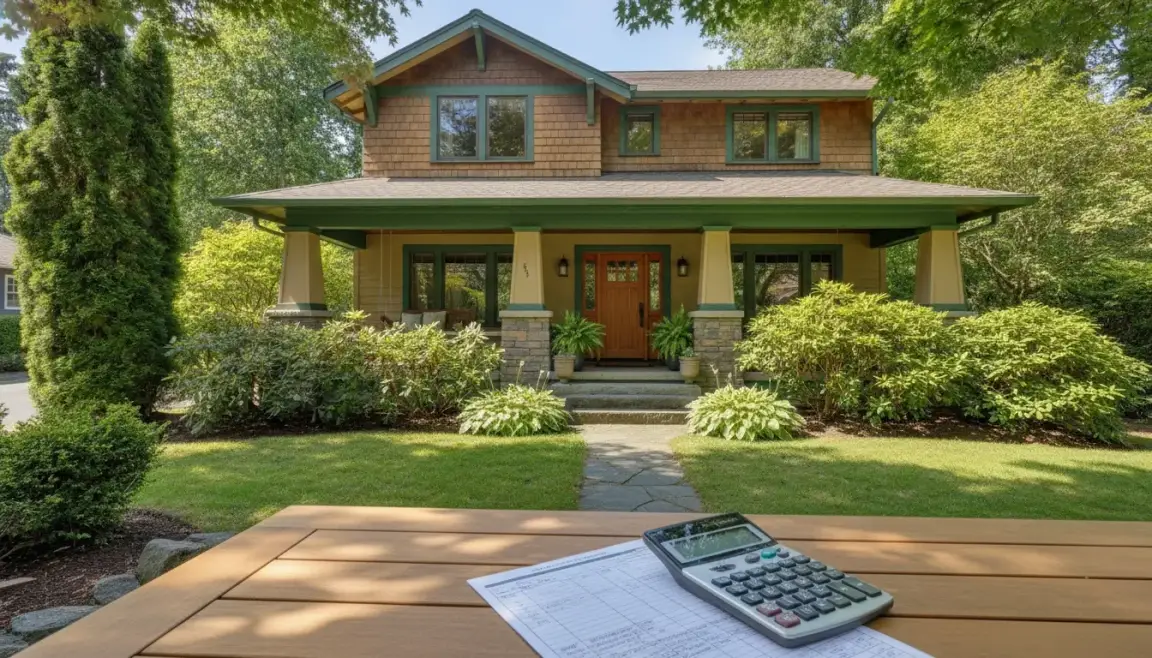
Most cash home buyers in Washington use a math formula to find their final offer. This process removes guesswork and helps buyers assess whether a deal works. Knowing these steps helps you decide if a direct sale fits your needs.
How do cash home buyers calculate offers for houses in Washington? Investors may use a market formula known as the 70% rule to account for repair costs, resale expenses, risk, and profit. The buyer starts with the after-repair value, or what the house may sell for after it is fully improved. They then multiply that value by 0.70 and subtract estimated repairs. The result is a screening estimate, not a guaranteed or universal offer.
Many local buyers use a repeatable method to stay within their budget. To understand the logic behind your cash offer, first look at a common investor screening tool.
How Do Cash Home Buyers Calculate Offers: What is the 70% rule in real estate investing?
The 70% rule is a simple way for buyers to screen likely deals quickly. It helps them decide if a house is worth a deeper look. For Washington homeowners, understanding this math makes it easier to ask informed questions and compare a direct cash offer with other selling options.
How the formula works
The rule sets a price cap based on what a house will be worth after it is fixed. To find this cap, a buyer takes the final value of the home and times it by 0.70. Then, they subtract the cost of all needed repairs. The result is the most an expert can pay for the house to still make a profit. This number is often called the Highest Allowed Offer. It ensures there is enough room for costs like taxes, insurance, and resale fees. If you want to sell my house for cash, knowing this math helps you see the deal from the buyer’s side.
The role of After-Repair Value
The starting point for this math is the After-Repair Value, or ARV. This is the likely price a home will sell for once it is in top shape. To find the ARV, buyers look at homes like yours that sold lately in the same area. This step is vital because cash offers must account for the work needed to make a home ready for the next buyer. Usual buyers often pay more because they want a home they can move into right away. Data from the FDIC shows that mortgaged buyers pay an 11% added cost compared to cash buyers. This gap covers the cost of speed and the risk the buyer takes on.
A guideline for screening
It is important to know that the 70% rule is a screening tool, not a fixed law. Real estate markets change, and so does the math. In some costly cities, buyers might pay 75% or 80% of the ARV because margins are different. In very run-down areas, they might need to stay at 60% to stay safe. An expert buyer uses this rule as a first step to see if a deal makes sense. They will still do a full walk-through to check for hidden issues before making a final offer. This range allows them to give fair and fast solutions for homeowners with many needs.
How investors use the 70% rule to calculate a cash offer
Professional buyers look at a home’s future value to set a fair price. Most use a specific formula to find the right number. This method helps them give you a quick, sure offer without the wait of a bank appraisal. By following this path, they can request a no-obligation cash offer that fits the local market.
Finding the after repair value
The first step is to find the After Repair Value or ARV. This is what the home will be worth after all needed work is done. To find this, buyers look at recent sales of similar homes in your Washington town. They pick homes that are in top shape to set a clear goal. This number is the base for how cash home buyers calculate offers today.
Applying the 70 percent math
Once they have the ARV, investors often use the 70% rule as a guide. They take 70% of the home’s future value to cover their costs. This gap allows them to pay for taxes, insurance, and the risk of a fast resale. Research shows that people who use loans to buy a house often pay an 11% premium compared to those who pay in full with cash. This gap helps explain why cash offers differ from listed market prices.
- Find the ARV: Start with the price the home could get if it were in perfect shape.
- Multiply by 0.70: Take 70 percent of that high value to set the initial cap.
- Subtract repair costs: Take out the money needed for new paint, roofs, or kitchens.
- Set the offer: The final result is the maximum price a buyer can pay for the house.
Adjusting for local costs
The math is not always fixed. Real buyers in Washington may change the percentage based on the area or the home’s age. If a home needs many small fixes, the buyer must account for those holding costs. In some markets, cash deals make up about 32 percent of all sales. This shows how common this path has become for sellers who need a simple win.
What deductions come out of your offer, and why?
Fixing repairs and updates
Most people ask how do cash home buyers calculate offers when they see the final price. The first big cut is the repair budget. When we buy a home, we take on every leak, crack, and old roof. We look at what it costs to bring the house to modern standards. This includes big items like heating units and small things like new paint or trim.
By buying as-is, we save you the time and stress of finding a pro to do the work. You do not have to clean or stage the house. This is helpful for cash for homes that need work in Washington. We handle the labor so you can move on with your life.
Holding costs and deal fees
Holding costs are the bills we pay while we own the house but cannot sell it yet. This includes home taxes, insurance, and power bills. We also pay for yard work and security. These costs add up fast while a crew updates the home. If a project takes four months, we must cover those four months of bills.
We also pay for deal fees that a seller usually pays. This includes escrow fees and title insurance. Standard home sales often have a 6% fee for real estate agents. When you sell to us, you skip that fee. Research shows that cash deals move much faster because they skip bank delays and loan rules.
| Deduction | What it covers | Seller question |
|---|---|---|
| Repair Budget | Parts and labor for fixes | What needs a fix now? |
| Holding Costs | Taxes and power bills | How long is the wait? |
| Closing Costs | Title and escrow fees | Who pays for the deal? |
| Risk Margin | Market shifts and surprises | What if prices drop? |
| Profit | The fee for the service | Is the speed worth it? |
Risk and the final margin
Every real estate deal has risk. Home prices can drop while we are working on the house. We might find a big crack in the wall that we did not see at first. We add a small buffer to the offer to cover these unknowns. This helps us stay in business and keep helping other sellers.
Our goal is to give you a fair price that works for both of us. While how do cash home buyers determine offer price seems complex, it is just simple math. We take the future value of the home and subtract all the costs of getting there. This gives you a clear cash total with no new costs at the end.
Is the 70% rule fair to home sellers?
The word “fair” means many things to each owner. To some, it means getting the top price. To others, it means a fast sale that removes stress and risk. While the 70% rule might seem low at first, it is a tool that helps a buyer handle big costs for you. When you ask how do cash home buyers determine offer price, you see the many hidden costs they pay on your behalf.
Trading price for trust
In a standard sale, a high price does not always mean a closed deal. Many home sales fail because a buyer cannot get a loan. This risk is why many sellers choose cash. Research from the National Institutes of Health shows that sellers often pick cash to avoid the risk of a deal falling through. A cash offer gives you the trust that the sale will close on time. You do not have to worry about banks or long waits.
There is also a price gap between cash and loan sales. Data from the Federal Deposit Insurance Corporation (FDIC) shows that buyers with loans pay an extra 11% on average over cash buyers. This gap exists because cash offers are fast and remove the need for a bank check. For many people in Washington, this trade is fair because it solves a problem that an old sale cannot.
Avoiding hidden costs and fees
When you sell a house the old way, the price you see is not what you keep. You often pay a 6% fee to agents. You also pay for closing costs, staging, and cleaning. A cash buyer often covers all these costs. This means you keep more of the offer in your pocket. By cutting out these fees, the cash in your hand can be much closer to a market sale than it looks at first.
Repair costs are another big part of the math. A cash buyer takes the house as-is. This means you do not have to spend money on a new roof or paint. You save time and money by letting the buyer fix the home. For an owner facing probate or a house in poor shape, this ease is often the best path forward.
Making the best choice for you
The 70% rule is just a starting point. It is not a fixed law. Every house and every seller is unique. You should look at your own goals before you decide. If you have time and the house is in great shape, an old sale might be best. But if you need to move fast or want to avoid repairs, a cash offer can be a big win. It lets you skip the stress of open houses.
In the end, a fair deal is one where you get what you need. If you value speed and ease, then a direct sale makes sense. You can request a no-obligation cash offer to see if the math works for your home. Taking the time to check your options will help you move forward with a clear plan.
How can you evaluate any cash offer you receive?
Getting a cash offer for your home is an exciting time. It often feels like a weight has been lifted. But you still need to make sure the deal is fair for you. To do this, you must learn how do cash home buyers calculate offers. Knowing their steps will help you spot a good deal from a bad one. Here are the main things to check when you review a cash offer.
Check the buyer’s math and numbers
The first step is to look at how the buyer found their price. Most cash home buyers use a simple plan. They look at what the house will be worth after it is fixed up. This is called the After-Repair Value, or ARV. You should ask the buyer to show you the “comps” they used. Comps are recent sales of nearby homes that are like yours. If their ARV seems too low, their offer will be too low as well.
Next, look at the repair costs. A cash buyer will take away the cost of fixes from the offer price. If they say your home needs $30,000 in work but you think it only needs $15,000, ask them for a list of repairs. Some buyers use the “70% rule.” This means they pay 70% of the ARV minus the cost of repairs. Studies show that mortgage buyers often pay about 11% more than all-cash buyers. This is because cash deals take on more risk and move much faster.
Verify the funds and closing rules
A big offer is only good if the buyer can pay. You should always ask for “proof of funds.” This is often a bank letter that shows they have the money in their account. If a buyer will not show this, they might not be a direct buyer. They could be a middleman who wants to sell the contract to someone else. This can cause the sale to take longer or fail.
You must also check the timeline and the rules of the deal. One of the best parts of a cash sale is how fast it goes. Most cash deals can move fast. This is because of how do cash home buyers determine offer price. They skip bank steps like appraisals and can close in just one to three weeks. Read the contract to see when you will get your money. Make sure there are no hidden rules that let the buyer walk away at the last minute.
Calculate your true net proceeds
The key number is not the offer price. It is the amount you keep after all costs. This is called your “net proceeds.” In a normal sale, you might pay a 6% fee to agents. You also pay for title fees, staging, and fixing things up for a buyer. These costs add up fast. They can take 10% or more out of your final check.
Many cash buyers pay for all the closing costs. They also do not charge any fees or agent costs. When you sell my house for cash, the price you see is often the price you get. This means a cash offer of $200,000 might put more money in your pocket than a $220,000 list price. Always do the math for both paths. This will help you choose the best way for your needs.
Do all cash home buyers use the 70% rule?
Many people think every cash buyer follows a strict math rule. This is the 70% rule. It tells buyers to pay 70% of the home’s value after repairs, minus the cost to fix it. This is a common starting point. But it is not a set law. Pro buyers look at more than just one math path. They must think about local trends and risks to how do cash home buyers calculate offers today. They want to give you a fair price while keeping their own business safe.
Why the 70% rule is just a starting point
The 70% rule helps buyers find a safe price. But it does not fit every house. In hot markets like Washington, buyers might pay more than 70%. High demand and low supply drive prices up. If a house is in a great spot, a buyer might take a lower profit. This means you could get a better deal than the 70% rule says. Also, data from the FDIC shows that cash buyers often pay about 11% less than those with a loan. This is because they take on all the risk and costs of the house.
Buyers also look at the risk of the project. A house that needs small fixes is less risky than one with base issues. If the work is simple, the buyer might offer more. They also check how long it will take to sell the home later. Holding costs like taxes and heat add up fast. If they can sell the home quickly, they can pay you more now. They want to move fast so you can move on with your plans.
How local factors change the math
Local data is the best way to see how buyers set prices. They look at recent sales of like homes in your area. These are called “comps.” If homes near you sell for high prices, your offer will go up. They also look at the actual scope of work. A buyer might bring their own crew to save on costs. This savings can go back to you. This is good if you want to sell inherited house Washington homes without doing the work yourself. A local buyer knows the area better than a big firm.
The type of house matters too. A single-family home is not the same as a condo. Buyers have new plans for each. Some want to flip the house fast. Others want to keep it as a rental. A rental buyer might pay more because they look at long-term rent. They do not just look for a quick sale profit. They factor in things like local schools and parks when they build an offer. They want to find the best use for the land and the home.
Clear questions for your buyer
A good buyer will explain their math to you. You should ask how they got to their number. Ask for a list of the repairs they think the house needs. A fair buyer will show you the comps they used. They should also be clear about closing costs. Most pros will pay all the fees for you. They also do not charge agent fees. This can help you keep more cash in your pocket when you request a no-obligation cash offer from a local team. You should feel sure about the deal before you sign.
Make sure to ask about the dates too. Cash deals should be fast. Many can close in just one to three weeks. If a buyer needs months, they might not have the cash ready. A real buyer has the funds and can show proof. They won’t need a bank to check the house first. This speed is why many sellers take a bit lower price. It gives them a fresh start and lets them move on with their lives. You can skip the long wait for a bank to say yes.
Frequently Asked Questions
How much lower should a cash offer be on a house?
Most cash offers range between 70% and 80% of the home’s value after repairs are done. This price gap is normal because the buyer takes on the cost of fixes and the risk of the market. According to the FDIC, buyers with loans often pay 11% more than cash buyers. This difference covers the speed and ease of a direct sale without bank rules or long waits.
Do cash buyers pay commissions or closing costs?
Yes, cash buyers like Peak Real Estate Solutions usually cover all standard closing costs and escrow fees. You also skip the 6% agent fee that is common in most home sales. By cutting these fees, you often keep a larger share of the offer. This makes your final check at closing much closer to a market price than it may seem when you first see the math.
Why are cash offers lower than traditional market offers?
Cash offers are lower because the buyer pays for all repairs, holding costs, and insurance while the house is empty. A direct buyer also takes on the risk that the home value might drop while they fix the property. These costs are taken from the future market price to find a fair cash offer. This allows the seller to walk away from a house that needs work without spending their own money first.
How quickly can a cash home sale close?
A cash sale can often close in as little as one to three weeks. This is much faster than a standard sale because there is no bank loan to wait for and no appraisal needed. According to research, these deals remove the risk of a sale falling through at the last minute. This speed is a major win for owners who need to move for a job or stop a foreclosure.
Ready to request a fair, no-obligation cash offer?
Holding onto a house that needs work can cost you more in taxes and upkeep each month. Waiting to sell only adds to the stress of managing a vacant or damaged property. When you act now, you can skip the long wait for a bank to approve a buyer and get a clear path to closing on your own schedule.
Ready to request a fair, no-obligation cash offer? Call (360) 359-6112 to talk to a real estate expert.
