


Selling a home in Seattle or Spokane no longer requires months of waiting for a traditional buyer. Modern sellers can now pick between high-tech iBuyers and local cash investors to close their deals.
Ready to see how much a cash buyer will pay for your home? Call (425) 440-2323 to request a free, no-obligation cash offer from Peak Real Estate Solutions today.
The choice between a cash home buyer vs ibuyer depends on your specific property condition and your own need for local and personal service. Local cash buyers focus on buying damaged houses as-is for sellers facing foreclosure or probate and close on a date you choose without repairs. Large iBuyers use tech for clean homes, but per the Texas Real Estate Research Center, they mostly buy houses needing only small fixes. These platforms often charge convenience fees that can eat into your profit while requiring your home to meet very strict and automated quality standards. This means a local cash buyer is usually the best fit for houses with major damage or title issues that corporate tech tools might reject.
You must understand how these models work to find the best path for your case by comparing the speed, costs, and closing process for both buyers. The comparison begins by looking at what an iBuyer is and How Is It Different From a Local Cash Buyer? The path begins with
Cash Home Buyer vs iBuyer: What Is an iBuyer and How Is It Different From a Local Cash Buyer?
An iBuyer is a technology-driven real estate company that uses automated valuation models to purchase homes directly from sellers. While iBuyers focus on standard, market-ready properties and charge transaction fees, local cash buyers purchase distressed houses as-is with no fees, offering a simpler solution for complex situations.
Selling your home for cash is often faster than using a real estate agent. But not all cash buyers are the same. When you look for a cash home buyer vs ibuyer, you will find two main types of buyers. One is a local cash buyer. The other is a big iBuyer. Knowing the gap will help you choose the best way to sell, and understanding how to read We Buy Houses reviews can keep you safe from bad actors.
The Rise of the Big iBuyer
An iBuyer is a large firm that uses data and tech to buy homes at a high volume. These companies have a lot of money and aim to make the selling process quick and easy. They use computer models to set a price for your home. This business model allows them to buy many homes across the country in just a few weeks. Research from Texas A&M University shows that iBuyers focus on homes that need very few repairs.
Most iBuyers look for homes in good shape. They usually only do simple fixes like paint or carpet. If your home is in a popular area and is ready to live in, an iBuyer might be an option. But these large firms have strict rules. If your house does not meet their list of needs, they will not buy it. They also charge fees for the ease of their service. These fees can sometimes be higher than what you might expect from a regular sale.
How Local Cash Buyers Solve Problems
A local cash buyer is a person or small group that buys homes in your specific area. They do not use a computer to find a price. Instead, they look at your home in person. They focus on being problem solvers for people with unique needs. For example, Peak Real Estate Solutions works with homeowners in Washington who face hard times. They help with things like probate, divorce, or homes that need big repairs. You can learn more about the pros and cons of cash offers before you decide.
Local buyers are more flexible than large firms. They buy houses as-is. This means you do not have to clean or fix anything. This is helpful if your home has damage from water or mold. These buyers do not care if the home is messy or has tenants. They look at the value they can add after they buy the home. Since they are local, they know your area well. They can give a fair price based on real local data.
Condition and Selling Costs
The biggest gap between these two buyers is the shape of the home. iBuyers want homes that are almost new or only need light work. They avoid homes with structural issues or legal problems. On the other hand, local cash buyers focus on selling your house as-is. They can handle title issues or liens that would stop a sale to a big firm. This makes them a better fit for homes that have not been updated in years.
Costs also vary between the two. Most iBuyers charge a service fee of 5% to 6%. This fee is like an agent’s pay but goes to the company. Local cash buyers usually do not charge any fees or costs. The price they offer is the amount you get. This clarity helps you know exactly how much money you will have. It also removes the risk of hidden costs. The Federal Trade Commission has even warned about wrong claims from some large iBuyer firms.
- iBuyers use tech to make fast offers on newer homes.
- Local cash buyers give a personal touch for homes in any condition.
- Local buyers do not charge fees to buy your home.
- iBuyers often have strict rules that limit which homes they can buy.
Fee and Offer Comparison: iBuyer vs. Cash Home Buyer
The financial difference between iBuyers and local cash home buyers lies in service fees and repair costs. Typically, iBuyers charge convenience fees ranging from 5% to 13% and deduct repair costs after inspections. In contrast, local cash buyers operate on a zero-fee model, covering all closing and renovation costs themselves.
Selling a home can be a huge stress. Many sellers in Washington look for a fast way out. Two common ways are using an iBuyer or a cash home buyer. Both paths promise a quick sale without the long wait of the open market.
But they use very different ways to count fees and make offers. Knowing the costs in a cash home buyer vs iBuyer check is key to making the best choice for your house.
How iBuyer fees work
iBuyers are big firms that use data to buy many homes at once. They act as a middleman for people who want to skip the normal market process. While they offer a fast close, they charge a high price for that speed.
Most of these firms add a “service fee” to every deal. This fee covers their risk and the cost of keeping the home until they can sell it again. Unlike a normal agent, their fees are often much higher and do not change.
These company fees usually range from 5% to 13% of the total sale price. On a $400,000 home, a 10% fee means you pay $40,000 just for the service. This does not even count the money they might take off for repairs after an inspection.
The Federal Trade Commission found that some people lost thousands of dollars when selling to these firms compared to a market sale. It is vital to look at the net cash you will get, not just the starting offer.
The zero-fee model of cash home buyers
A direct cash home buyer works with a different goal. They buy homes to keep as rentals or to fix and sell later. Since they are the final buyer, they do not need to charge service fees or commissions.
When you ask for an offer, the number they give you is the cash you take home at the end. There are no hidden costs that show up on your final statement. Learn more about what to know about an all-cash offer before signing. This clarity helps many sellers who are in a tight spot. You can also research how cash buyers calculate their offer to see the underlying math.
Most local cash buyers also pay for all the closing costs. In a normal sale, these costs can add up to a few thousand dollars. By taking on these fees, the buyer makes the whole process simple and clean.
You can see the pros and cons of cash offers and see how much you save on fees. This model is built for people who want a clean break without a long list of costs to pay out of their home value.
Offer math and repair needs
The way these two buyers look at your home is also very different. iBuyers use code and facts to find a price. They like homes that are in great shape and look like every other house on the block.
If your home has an old roof or foundation issues, they might not make an offer at all. They like “market ready” homes that only need a small amount of work. This means many homeowners with older houses are left out of the process.
A local cash buyer focuses on selling your house as-is. They do not care if the home needs big repairs or a full clean out. You can leave unwanted items or trash behind without any stress.
They look at what the home could be worth after they do the work. This is why they can help with homes that have liens, title issues, or tenant problems. They take the risk on the home’s state so you do not have to. Large iBuyer models are often too strict for these hard cases.
| Comparison Point. | Big Company iBuyer. | Direct Cash Home Buyer. |
|---|---|---|
| Service Fees. | 5% to 13% of price. | No fees. |
| Commissions. | Usually none. | No commissions. |
| Repair Costs. | Seller pays via offer drop. | Buyer pays all repair costs. |
| Closing Costs. | Seller may pay some. | Buyer usually pays all. |
| Home Type and Rules. | Strict rules on age and type. | Any home condition or type. |
| Process Type. | Data-driven and corporate. | Human-driven and local. |
Which Option Closes Faster in Washington?
A direct cash buyer generally offers a faster closing timeline than an iBuyer in Washington State. While iBuyers require computerized assessments and formal home inspections that take one to two weeks. Local cash investors can bypass corporate approval steps to close in as few as five to seven days.
Speed of a cash home buyer vs ibuyer
If you want to sell your house fast, both iBuyers and local cash buyers offer quick paths. Most standard sales take 30 to 60 days to finish. Large iBuyers can buy a home much faster, often in one to two weeks per Texas A&M research. This speed is good for many sellers who do not want to wait months.
But when you look at a cash home buyer vs ibuyer, a local buyer often wins on speed. These buyers can finish a sale in five to seven days. They do not have the same red tape as large firms. If you need a fast cash house sale, a local buyer is often the best choice. They can make an offer and close the deal before a large firm even finishes its first check.
Closing on your own timeline
Large iBuyer firms use set paths to close. They have many steps that follow a strict list. This means you might have to close on their day, not yours. Local buyers focus on your needs. They allow you to pick the date that works best for your move. You can choose a date that is two days away or two months away.
This choice is a big help if you are still looking for a new place. You can stay in your home until you are ready to leave. You get more say in the pros and cons of cash offers when you work with a local team. They can change the plan to fit your life. You do not have to rush to move out just because a tool says it is time.
Avoiding delays from repairs or inspections
Some fast sales slow down because of the home’s state. Large iBuyers often look for homes that only need small fixes. They want houses they can sell again quickly on the market. If your home needs big repairs, it may not meet their rules. This can stop a sale before it starts or lead to lower offers after a check.
Local cash buyers buy homes in any state. They help with selling your house as-is without asking for any work. You do not need to clean, paint, or fix a single thing.
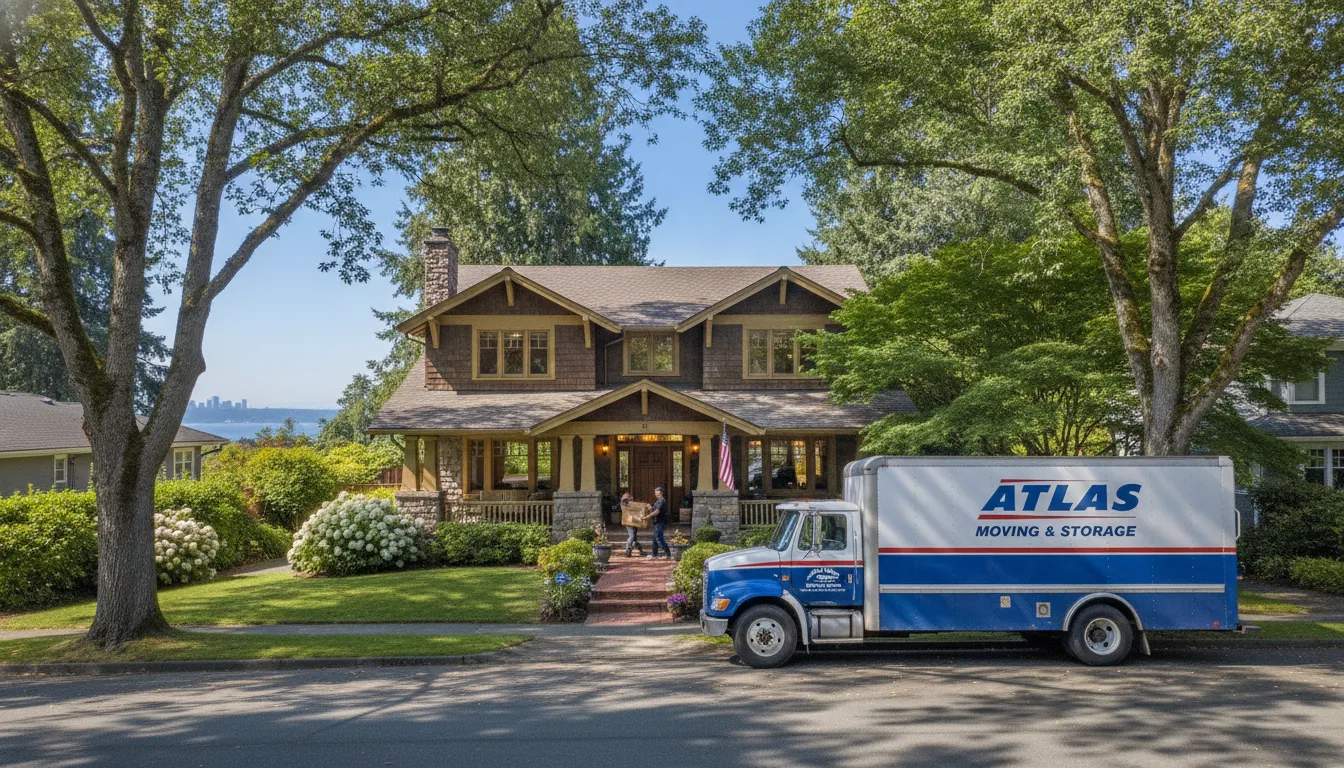
This saves you weeks of time and much stress. A local investor allows you to sell your house without cleaning first, letting you move on with your life without doing any chores. They buy houses that have leaks, old roofs, or bad paint. This makes the path to a check much faster and easier for you.
When iBuyers Decline to Buy (and Cash Buyers Step In)
iBuyers frequently decline to purchase homes that do not fit their strict, automated criteria. Such as properties needing major structural repairs, homes in rural areas, or inherited houses in probate. Local cash home buyers step in as problem solvers, purchasing houses in any condition regardless of physical damage or legal complications.
Large firms known as iBuyers use data tools to pick the houses they want. These groups have deep pockets and use data to buy homes fast. But they often have strict rules about which houses they will buy. Most iBuyers look for newer homes in great shape that they can flip with ease. They want houses in big cities where they can sell the home again fast on the open market. If your home needs big repairs or is in a rural area, an iBuyer will likely say no to your request.
Data tools and strict rules
Big firms rely on data models that work best for standard houses. As per the Texas Real Estate Research Center, these groups focus on homes that only need minor work. They tend to avoid houses that require major fixes or new roofs. If a house does not fit their mold, they will not make an offer at all. This leaves many sellers stuck if their house has odd issues or is not in a top market.
These firms often skip homes that have been empty for a long time. They want a home they can list and sell in a few weeks. If your house has been sitting empty or has been a rental, it might not meet their needs. They also look for homes in set price ranges. If your home is too cheap or too costly for their math, they will pass. This is why many people find that their home does not fit the rules of a big firm.
Why cash buyers handle tough jobs
When you weigh a cash home buyer vs ibuyer, the state of the house is a big part of the choice. A local cash buyer does not use a computer to make a guess. Firms like Peak Real Estate Solutions look at homes in any state. Firms like Peak Real Estate Solutions buy houses with water damage, fire scars, or bad plumbing. They also take on homes with tenant issues or legal snags such as liens and title issues. While a big firm wants an easy flip, a local buyer acts as a problem solver for hard cases.
They do not walk away from a property just because it is distressed, seeing the long-term potential in selling your house as-is. This means you do not have to clean, paint, or fix a single thing. You can leave unwanted items behind and the buyer will take care of them. Local buyers have the skill to fix big issues that scare away big firms. Local investors can handle mold, pest issues, and major structural flaws that cause a big firm to pass on your house.
The local human factor
Big firms often treat a house like a line on a page. Their data tools can miss the small things that make a home special. This can lead to problems for the seller. The Federal Trade Commission found that some large firms misled people about their final profit. They might promise a high price but then take out large fees at the end. These fees are meant to cover the risks the firm takes on when they buy your home.
Peak Real Estate Solutions operates with a personalized approach. They have deep knowledge of the Washington real estate market and its local communities. They provide a straightforward path to selling with zero hidden costs. You get a real person to talk to and a fair offer you can count on. The company respects each homeowner’s unique needs and works to establish a clear, dependable closing date. This gives you the peace of mind that a cold data model cannot give. You get the speed of a cash sale without the stress of meeting strict rules.
How to Decide Which Is the Right Fit for Your Situation
Deciding between an iBuyer and a local cash buyer depends on your property’s condition and your personal goals. Choose an iBuyer if your home is newer and market-ready and you want a digital transaction. Choose a local cash home buyer if your house needs repairs, you face financial stress, or you want a customized closing timeline.
Picking between a cash home buyer and an iBuyer depends on your home’s state and your goals. Both paths offer speed but meet different needs. Use the steps below to find the best way to sell your house in Washington.

Check the state of your home
First, look at what fixes your home needs. Large iBuyers often have strict rules for homes. They mostly buy houses that only need small jobs, like paint or carpet. If your home has big issues like a bad roof or old pipes, it might not fit their list.
Local cash home buyers help with hard home problems. They buy houses as-is, so you do not have to clean or fix a thing. This is a big help if you are selling your house as-is to avoid high costs.
Think about your needs
Next, think about why you want to sell. iBuyers use data and tech to do their work and often close in one or two weeks. This works well for easy sales in big cities. But they may not handle hard legal issues like probate or liens.
If you face a tough time like foreclosure or divorce, a direct cash buyer can help. They know the pros and cons of cash offers and can help with title issues. This is because they have a local team to help you. They can also buy standard houses, but they specialize in helping people in hard spots.
Choose your closing date
Finally, look at when you want to move. Large iBuyers use strict paths that can sometimes limit your choices. A local cash buyer can close on the day you choose. This allows you to plan your move with peace of mind.
If you want a fast cash sale in Washington, Peak Real Estate Solutions can help. They provide fair offers with no fees or stress, letting you close on your own timeline. Contact Peak Real Estate Solutions today to get a free cash offer on your house.
