

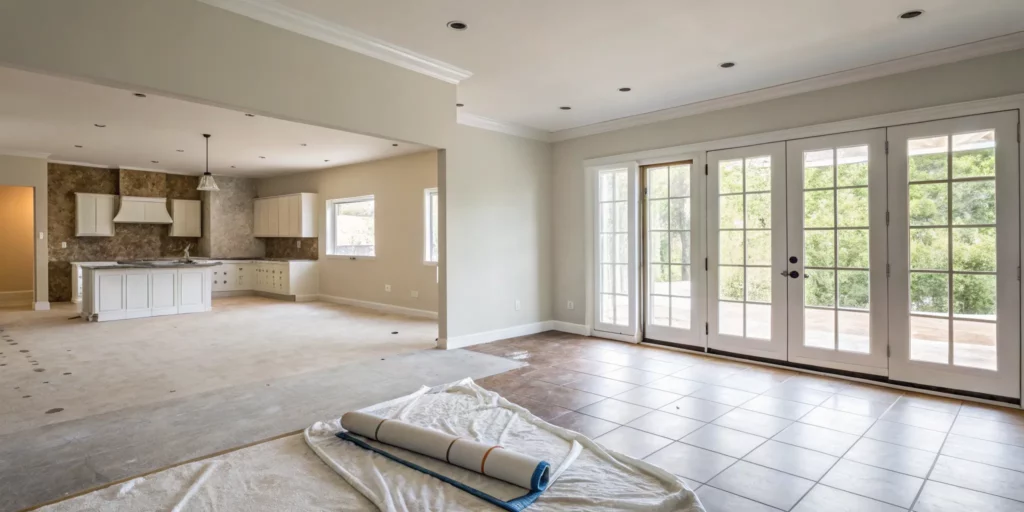
When you’re getting ready to sell, it’s easy to get caught up in a long list of potential upgrades. But it’s important to think like a buyer. Do they want to pay a premium for your specific taste in tile, or would they prefer a lower price so they can create their own dream space? Many buyers are looking for a home they can personalize, not one that’s already been renovated to someone else’s standards. This brings up a critical point: is it worth fixing up a house before selling if a new owner might just tear it all out?
Key Takeaways
- Prioritize smart, affordable updates: You don’t need a full renovation to make a great impression. Focusing on high-impact, low-cost projects like fresh paint, deep cleaning, and modernizing hardware offers the best return on your investment and effort.
- Align your plan with your personal resources: The best strategy depends on your unique situation. Honestly assess your available time, budget, and tolerance for stress before committing to renovations, as these factors are just as important as the potential financial return.
- Recognize when selling as-is is the better option: If you’re facing major repairs, a tight deadline, or simply want to avoid the hassle of managing projects, selling your home in its current condition is a practical and strategic choice that provides certainty and a stress-free sale.
Which Renovations Offer the Best ROI?
If you’re thinking about renovating before you sell, the goal is to choose projects that add more value than they cost. Not all upgrades are created equal, and some can even be a waste of money. Focusing on a few key areas can make your home more attractive to buyers without draining your bank account. The key is to think like a buyer and invest in the updates they value most. By being strategic, you can increase your home’s appeal and potentially your final sale price.
Kitchen Upgrades That Pay Off
The kitchen is often called the heart of the home, and for good reason. It’s one of the first places buyers look, and a fresh, functional kitchen can make a huge impression. You don’t need a full gut-job to see a return. In fact, a minor kitchen remodel can give you a return on investment of around 80%. Think about simple, high-impact changes like painting dated cabinets, swapping out old hardware for something more modern, updating light fixtures, or installing a new faucet. These smaller projects can make the whole space feel brighter and more inviting without the massive expense of a complete overhaul.
Bathroom Improvements Worth Making
A clean and modern bathroom is a major selling point. Like kitchens, bathrooms can show their age quickly, but a few smart updates can make a world of difference. Consider replacing an old vanity, updating light fixtures, or re-glazing a worn-out tub instead of replacing it. Upgrading to a walk-in shower or modernizing fixtures can also significantly enhance your bathroom’s appeal. Even small touches, like a new mirror and fresh caulk, can make the space feel clean and well-maintained, which gives buyers confidence in the rest of the house.
Curb Appeal That Attracts Buyers
First impressions are everything. What buyers see when they pull up to your house sets the tone for their entire viewing. Simple curb appeal enhancements can dramatically increase your home’s attractiveness and perceived value. Start with the basics: a freshly mowed lawn, trimmed bushes, and a weed-free garden bed. A fresh coat of paint on the front door, a new welcome mat, and some potted plants can add a welcoming pop of color. These small efforts show that the home has been cared for and can make buyers excited to see what’s inside.
Overlooked Fixes with a High Return
Some of the most valuable updates are the ones you might not even think about. For example, replacing an old front door, especially with a new steel one, is a top project for return on investment. It can improve security, energy efficiency, and the overall look of your home’s exterior. Another often-overlooked area is lighting. Swapping out dated fixtures for modern, energy-efficient ones can instantly update the feel of a room. These fixes might seem small, but they can have a surprisingly big impact on how buyers perceive your home’s quality and value.
How Does the Market Affect Your Renovation Plans?
Deciding whether to renovate before selling isn’t just about your home’s condition; it’s also about the real estate market’s current mood. The same kitchen upgrade that adds significant value in one year might barely break even in another. The market sets the stage for your sale, influencing everything from buyer expectations to how quickly your home sells. Understanding these external forces is key to making a smart financial decision and avoiding costly, unnecessary work.
When the market is hot, buyers are plentiful and often willing to overlook cosmetic issues to secure a home. In a cooler market, however, buyers have more options and can be much more selective. A dated bathroom or a tired-looking exterior might be a deal-breaker when they have five other updated homes to choose from down the street. Thinking about the market helps you move from asking, “What needs fixing?” to “What updates will actually matter to buyers right now?” This strategic shift can save you thousands of dollars and a lot of stress, ensuring your efforts are focused where they’ll have the greatest impact.
Read Your Local Real Estate Market
Real estate is incredibly local. While national trends are interesting, what truly matters is what’s happening on your street and in your neighborhood. Before you even think about picking up a paintbrush, take some time to understand your local market. Are homes selling in a weekend with multiple offers, or are they sitting for months? Look at the recent sales in your area. Pay attention to the condition of the homes that sold quickly and for top dollar. In a strong market, buyers might not sweat the small stuff, but in a slower one, they’ll likely expect a lower price or a credit for any needed repairs. This initial research will give you a realistic baseline for how much work your home might need to compete.
Adapt Your Strategy for a Seller’s vs. Buyer’s Market
Your renovation strategy should change depending on whether you’re in a seller’s or a buyer’s market. In a seller’s market, there are more buyers than available homes, which gives you the upper hand. You might only need to do minor touch-ups because high demand means buyers are more forgiving. Conversely, a buyer’s market means inventory is high and you have more competition. In this scenario, thoughtful renovations can make your property shine and capture a buyer’s attention. Knowing which type of market you’re in helps you decide whether to invest in bigger projects or just stick to the basics.
Get Professional Market Insights
While doing your own homework is a great start, getting advice from a professional is invaluable. A local real estate agent who is active in your area can offer specific insights into what today’s buyers are looking for. They see firsthand which features lead to quick sales and which renovations offer the best return on investment. They can help you avoid over-improving for your neighborhood or spending money on updates that are too niche. This expert advice helps you create a targeted, effective plan. Of course, if the feedback suggests a long and expensive list of projects, it might be a sign to explore simpler alternatives, like a direct cash sale where no repairs are needed.
What Are the Most Cost-Effective Fixes Before Selling?
If you’re planning to sell your house on the traditional market, you don’t need to schedule a complete overhaul to make a great impression. Buyers are often swayed by the overall feel of a home, not just the big-ticket items. Focusing on small, cost-effective updates can significantly improve your home’s appeal without draining your savings. These fixes are all about creating a clean, welcoming, and well-maintained space that allows potential buyers to envision themselves living there.
The goal is to get the most bang for your buck by concentrating on cosmetic improvements that have a big visual impact. Think less about gut renovations and more about smart, simple enhancements. From a deep clean to a fresh coat of paint, these strategic touches can help your home stand out and sell faster. But if even these small fixes feel overwhelming, remember that you have other options. Our simple process allows you to sell your home as-is, with no repairs needed.
Deep Clean and Declutter
This is hands-down the most affordable and impactful preparation you can do. A sparkling clean and clutter-free home signals to buyers that the property has been well cared for. Before you do anything else, commit to a thorough, top-to-bottom cleaning. This means scrubbing floors, washing windows, and cleaning overlooked spots like baseboards and light fixtures.
Decluttering is just as important. Pack up personal items, excess furniture, and anything that makes a room feel small or crowded. Your goal is to create a neutral canvas where buyers can project their own lives. Renting a small storage unit for a month or two is a worthwhile investment to keep your space looking open and inviting. A clean, organized home makes a fantastic first impression and can lead to quicker, more attractive offers.
Apply Fresh Paint and Make Minor Repairs
Never underestimate the power of a fresh coat of paint. It’s a relatively inexpensive fix that can completely transform the look and feel of your home. Stick to light, neutral colors like off-white, beige, or light gray, as these shades make rooms appear larger, brighter, and more appealing to a wider range of buyers. A fresh paint job covers up scuffs and creates a clean slate.
While you have the paintbrush out, take care of those minor repairs you’ve been putting off. Fix a leaky faucet, patch small holes in the drywall, replace a cracked light switch cover, and make sure all doors and cabinets open and close smoothly. These little details add up, and addressing them shows buyers that your home is move-in ready and has been diligently maintained.
Update Fixtures and Hardware
You can modernize your home’s entire aesthetic without touching a single wall. Swapping out dated fixtures and hardware is a high-impact, low-cost project that makes a huge difference. Look at things like old, brassy doorknobs, dated ceiling fans, and builder-grade light fixtures. Replacing them with modern alternatives in finishes like brushed nickel, matte black, or bronze can instantly update a room.
This applies to your kitchen and bathrooms, too. Instead of replacing all your cabinets, simply install new handles and pulls. This small change can give the entire space a fresh, contemporary look for a fraction of the cost of a remodel. These are the kinds of “high-bang-for-your-buck” updates that catch a buyer’s eye and make your home feel more valuable and current.
Use Simple Staging Techniques
Staging isn’t just for luxury homes, and it doesn’t have to involve hiring a professional. The core idea is to arrange your home in a way that highlights its best features and helps buyers connect with the space emotionally. Start by arranging furniture to create a clear, easy flow through each room. Make sure every space has a defined purpose; for example, an awkward corner can become a cozy reading nook with just a chair and a lamp.
Let in as much natural light as possible by opening blinds and curtains. Add simple touches like fresh, fluffy towels in the bathroom, a new welcome mat at the front door, and a few healthy plants. The goal is to create a warm and inviting atmosphere. By removing clutter and thoughtfully arranging your belongings, you help buyers feel at home from the moment they walk in.
Avoid These Common Renovation Mistakes
Embarking on pre-sale renovations can feel like the right move, but it’s easy to fall into common traps that waste time and money without adding real value. Before you pick up a sledgehammer or hire a contractor, it’s critical to understand what not to do. Focusing on the wrong projects can shrink your return on investment and even make your home harder to sell. Let’s walk through the most frequent mistakes homeowners make so you can approach your sale with a clear, effective strategy.
Don’t Over-Improve for Your Neighborhood
It’s tempting to install high-end finishes to make your home stand out, but going too far can backfire. Every neighborhood has a general price range, and over-improving can price your home right out of the local market. Buyers look for homes that fit the character and value of the area. If you install a gourmet kitchen worthy of a luxury estate in a neighborhood of modest starter homes, you likely won’t see that money back. Before you invest in major upgrades, research comparable homes nearby to understand what buyers expect and are willing to pay for.
Choose Broad Appeal Over Personal Taste
You might love bold accent walls or quirky tile, but your unique style might not resonate with potential buyers. When you’re selling, the goal is to create a space where the largest number of people can picture themselves living. This means choosing neutral paint colors, classic fixtures, and timeless finishes. Think of it as creating a beautiful blank canvas. Buyers often prefer to purchase a home for a little less and make their own cosmetic updates. By sticking to widely appealing designs, you avoid alienating anyone and allow them to dream about personalizing the space themselves.
Don’t Ignore Minor Repairs for Major Projects
While you’re dreaming of a full kitchen remodel, don’t overlook the small fixes that can make a huge difference. A leaky faucet, a sticky door, or a cracked light switch cover can signal to buyers that the home hasn’t been well-maintained. These minor issues are often inexpensive to fix but can leave a lasting negative impression. More importantly, they are red flags that will almost certainly be noted during a home inspection. Addressing these small but crucial repairs first shows pride of ownership and helps the entire selling process go more smoothly.
Avoid Underestimating Costs and Timelines
Home renovation projects are notorious for going over budget and taking longer than expected. A simple bathroom update can reveal hidden water damage, or supply chain issues can delay your new flooring for weeks. These unexpected costs and delays add significant stress, especially if you need to sell on a specific timeline. There’s also no guarantee you’ll recoup your investment when the house sells. If you’re facing a tight deadline or don’t have extra funds for surprise expenses, a major renovation might not be the right path. Understanding the hassle-free process of a cash sale can provide a clear alternative.
When Should You Sell Your House As-Is?
While home improvement shows make renovations look exciting, they aren’t the right move for every seller. Sometimes, the smartest and most practical decision is to sell your house exactly as it is. This approach isn’t about cutting corners; it’s about choosing a path that aligns with your timeline, budget, and peace of mind. If you’re facing certain circumstances, skipping the stress of repairs and selling your home as-is can be the perfect solution. Let’s look at a few situations where this makes the most sense.
When You’re Short on Time or Money
Renovations require two things that are often in short supply: time and money. If you need to relocate for a new job, are managing an inherited property from out of state, or are going through a divorce, you may not have months to oversee contractors. Selling as-is means you sell your house in its current condition, without making any repairs or upgrades. This allows you to sidestep the entire renovation process. You won’t have to live in a construction zone, vet contractors, or worry about project delays. It’s a straightforward process that lets you move forward on your schedule, without draining your savings on upfront repair costs.
When Facing Major Structural or System Issues
Some home repairs are simple cosmetic fixes, while others are massive undertakings. If your home has a failing roof, foundation problems, or outdated plumbing and electrical systems, you’re looking at expensive and complicated projects. These are often considered big red flags for traditional buyers and can cause major problems during a home inspection. Instead of pouring tens of thousands of dollars into fixes that may not offer a full return on investment, selling as-is can be a better option. You can transfer the responsibility of these large-scale repairs to a buyer who has the resources and expertise to handle them, saving you a significant amount of stress and financial risk.
When the Market Favors a Quick Sale
Real estate market conditions can heavily influence your selling strategy. As one expert notes, “In a strong market, buyers might overlook flaws. In a slow market, they’ll expect lower prices or repairs.” While you might be able to sell an as-is home in a hot seller’s market, there’s no guarantee. A home with visible issues can still linger on the market or attract lowball offers. Selling your house as-is to a cash buyer removes the guesswork. You get a fair, competitive offer without having to worry about market fluctuations, buyer financing falling through, or lengthy negotiations over repairs. It provides certainty and control, which is invaluable when you need a reliable sale.
How to Calculate if a Repair Is Worth It
Deciding whether to invest in repairs before selling your house can feel like a high-stakes gamble. You’re trying to balance spending money with the hope of getting a higher sale price, all while managing your own timeline and stress. It’s not just about the final numbers; it’s about making a choice that fits your life right now.
To make a smart decision, you need to look at the full picture. This means calculating the potential financial return, getting an objective opinion on your home’s condition, and being honest about how much time and energy you can realistically commit to a renovation project. Breaking it down into these three areas will help you see the path forward that makes the most sense for you, your family, and your wallet. Let’s walk through how to weigh these factors so you can move forward with confidence.
Estimate Repair Costs vs. Potential Return
Before you start tearing down walls or picking out new countertops, it’s crucial to understand that not all renovations pay for themselves. Many homeowners are surprised to learn that large-scale projects, like a full kitchen overhaul, often don’t provide a dollar-for-dollar return. The truth is, buyers often have their own specific tastes and may plan to renovate anyway. Your idea of a dream kitchen might not be theirs.
Instead of focusing on major changes, consider the cost vs. value of smaller updates. Most experts agree that your money is better spent making the house look clean, fresh, and well-maintained. Think fresh paint, updated light fixtures, and fixing leaky faucets. These smaller fixes can make a great impression without draining your bank account.
Get a Professional Property Assessment
When you live in a home every day, it’s easy to overlook its flaws or overestimate its strengths. That’s why getting a professional, unbiased opinion is so important. A pre-listing inspection can uncover any major issues with your home’s core systems, like the HVAC, plumbing, or roof, before a potential buyer finds them. This gives you a clear understanding of what you’re working with and prevents surprises during negotiations.
A local real estate agent can also provide valuable insight into what buyers in your specific Washington neighborhood are looking for. They can tell you which repairs are expected and which ones you can skip. This professional feedback helps you create a targeted, effective repair list instead of guessing what might attract buyers.
Factor in Your Timeline and Stress Level
The financial cost of a renovation is only part of the equation. You also have to consider the cost of your time and peace of mind. A significant renovation project can take months to complete, which can be a major problem if you need to sell your house quickly due to a job relocation, divorce, or financial pressure. Delays are common, and living in a construction zone is stressful for anyone.
Be honest with yourself about your capacity to manage a project. If you’re already feeling overwhelmed by the thought of selling, adding contractor schedules and budget tracking to your plate might be too much. Sometimes, the simplest solution is the best one. Our streamlined process is designed to remove that stress entirely, allowing you to sell on your timeline without any repairs.
What Repairs Are Absolutely Necessary Before Selling?
If you’re selling on the traditional market, you can’t ignore every single issue. While a full-scale renovation might not be necessary, some repairs are non-negotiable for most buyers and their mortgage lenders. Think of it as a minimum requirement to get your home market-ready. Ignoring these can lead to failed inspections, financing falling through, or offers that are far lower than you hoped. Let’s break down the repairs that typically demand your attention before you list your home.
Address Safety and Compliance Issues
First things first, focus on anything that could be a safety hazard. This includes major structural problems, faulty electrical wiring, or significant plumbing leaks. These are immediate red flags for home inspectors and can stop a sale in its tracks. You’ll also need to address environmental concerns like mold, pests, or high radon levels, as these issues can make a home unlivable and scare away even the most interested buyers. Tackling these foundational problems is essential to pass inspections, but it can also be incredibly expensive and time-consuming. Understanding the full home-selling process can help you decide if these repairs are truly worth it for your situation.
Fix Potential Deal-Breakers for Buyers
Beyond major safety issues, buyers expect the home’s core systems to be functional. A broken furnace in the middle of a Washington winter or a water heater that doesn’t work are instant deal-breakers. Make sure your HVAC system, major appliances, and plumbing fixtures are all in good working order. Even small things like loose doorknobs or leaky faucets can give the impression that the home hasn’t been well-maintained. While you don’t need to install brand-new luxury appliances, ensuring everything works as it should is key. The goal is to present a clean, well-cared-for home, not a project that will drain a buyer’s wallet from day one.
What Are Your Options if Renovations Don’t Make Sense?
After weighing the costs, timelines, and potential returns, you might find that renovating your house just isn’t the right move. And that’s perfectly okay. Major renovations aren’t for everyone, and sometimes the math just doesn’t add up. Whether you’re facing a tight deadline, don’t have the extra funds, or simply want to avoid the headache of managing contractors, you have solid alternatives to a traditional, fixed-up sale. The key is to shift your strategy from maximizing the sale price through updates to prioritizing a fast, simple, and certain transaction. Instead of pouring money into the property, you can focus on finding the right buyer for your home in its current condition. This approach lets you move forward on your terms, without the stress and uncertainty of a major renovation project. It puts you back in control of the selling process, allowing you to focus on what’s next instead of being stuck on repairs. Let’s look at two of the most effective paths you can take when selling as-is.
Sell Quickly to a Cash Buyer
Selling your house “as-is” to a cash home buyer is often the most direct route. This means you sell the property in its exact current state, without making a single repair or even cleaning out the closets. It’s an ideal solution if you need to sell quickly due to a job change, divorce, or an inherited property, or if you simply don’t have the money for repairs. Companies like ours specialize in these situations. Our entire home-buying process is designed to be fast and transparent. Because the sale isn’t dependent on lender financing, you can skip the lengthy appraisal and inspection processes that often lead to last-minute repair demands. You get a clear, straightforward sale on your timeline.
Price Your As-Is Property to Sell
Your other option is to list your property on the open market “as-is.” This signals to traditional buyers and their agents that you won’t be performing any repairs. While this saves you the upfront cost and effort of renovations, it’s important to set realistic expectations. Buyers will calculate the cost of necessary fixes and subtract it from their offer. To attract serious interest, you’ll need to price your home competitively. A good real estate agent can help you pull comparable sales data for other as-is homes in your neighborhood to find a fair listing price. Keep in mind that this path still involves showings, negotiations, and the possibility of buyer financing falling through, but it avoids the renovation phase entirely.
How to Make Your Final Decision
You’ve explored the costs, considered the market, and looked at your home with a critical eye. Now it’s time to put all the pieces together and choose the path that feels right for you. This decision isn’t just about numbers on a spreadsheet; it’s about your time, your stress levels, and your goals for the future. Whether you decide to roll up your sleeves and start a project or opt for a simpler sale, the best choice is the one that aligns with your personal circumstances.
Weigh All the Factors
Before you commit to a path, take a moment to honestly assess your resources. Do you have the cash on hand for repairs without stretching your finances too thin? Do you have the time and energy to manage contractors and live in a construction zone? Sometimes, a deep clean and decluttering are all you need to make your home shine, as major renovations don’t always deliver a dollar-for-dollar return.
The local real estate market also plays a huge role. In a hot seller’s market, buyers might be more willing to overlook cosmetic issues to get into a home. But if the market is slow, buyers can be pickier, and an updated home will stand out. Think about what’s happening in your neighborhood and how your home compares to others currently for sale.
Create Your Go-Forward Plan
Once you have a sense of direction, it’s time to make a plan. If you’re leaning toward making repairs, start by prioritizing. Focus on the big-ticket items first, like a leaky roof or an outdated electrical panel. These are the kinds of major issues that can scare off buyers or derail a sale during the inspection phase. Getting a pre-listing inspection can be a smart move to uncover any hidden problems before they become a negotiation headache.
If your list of repairs feels overwhelming or you simply don’t have the bandwidth to handle it, your go-forward plan might look different. It could mean deciding to sell your house as-is. This path allows you to bypass the stress and uncertainty of renovations entirely. Understanding how our process works can show you just how simple and straightforward selling without repairs can be.
Related Articles
- Sell My House Fast Redmond WA | We Buy Houses Cash
- Sell My House Fast Renton WA | We Buy Houses Cash
- Sell My House Fast Edmonds WA | We Buy Houses Cash
- Sell My House Fast Highlands Ranch, CO | We Buy Houses Cash
- Sell My House Fast Boulder, CO | We Buy Houses Cash
Frequently Asked Questions
Do I have to do a full kitchen or bathroom remodel to sell my house? Not at all. In fact, major remodels often don’t give you a full return on your investment. Buyers have their own tastes and might plan to change things anyway. Your money is usually better spent on smaller, high-impact updates. Think about painting dated cabinets, replacing old hardware and light fixtures, or re-glazing a worn-out tub. The goal is to present a clean, bright, and functional space, not a custom-designed showpiece.
What if I don’t have the money or time for any repairs? This is a very common situation, and it’s exactly why selling a house “as-is” is a great option for many people. If you’re facing a tight timeline or don’t have the extra cash for renovations, forcing a project is not your only choice. Selling as-is allows you to bypass the entire repair process. It’s a practical decision that prioritizes a guaranteed, stress-free sale over a potentially higher price that comes with months of work and financial risk.
How can I figure out what buyers in my specific area actually want? Real estate is incredibly local, so doing a little homework on your own neighborhood is key. A great way to start is by looking at online listings for homes that recently sold near you. Pay attention to the photos and see what their kitchens and bathrooms look like. You can also visit a few open houses in your area to get a firsthand feel for the competition and see what features get the most attention from other potential buyers.
Will buyers really notice small problems like a leaky faucet or a sticky door? Yes, they absolutely will. While a minor issue might seem insignificant, a collection of them can give buyers the impression that the home hasn’t been well-maintained. This can make them worry about larger, hidden problems they can’t see. Taking care of these small fixes shows pride of ownership and gives buyers the confidence that they are looking at a solid, well-cared-for home, which can make the whole process smoother.
Does selling my house “as-is” mean I have to accept a lowball offer? Not at all. A fair as-is offer is simply a reflection of your home’s current market value minus the cost of necessary repairs. It’s not an arbitrarily low number; it’s a price that accounts for the fact that the buyer is taking on the financial responsibility and effort of all the updates you get to skip. In exchange for a lower price, you get certainty, speed, and freedom from the stress and expense of renovations.